Building Resilience in Family Offices Amid Market Uncertainty
Explore key strategies for family offices to enhance resilience and adaptability in unpredictable markets.
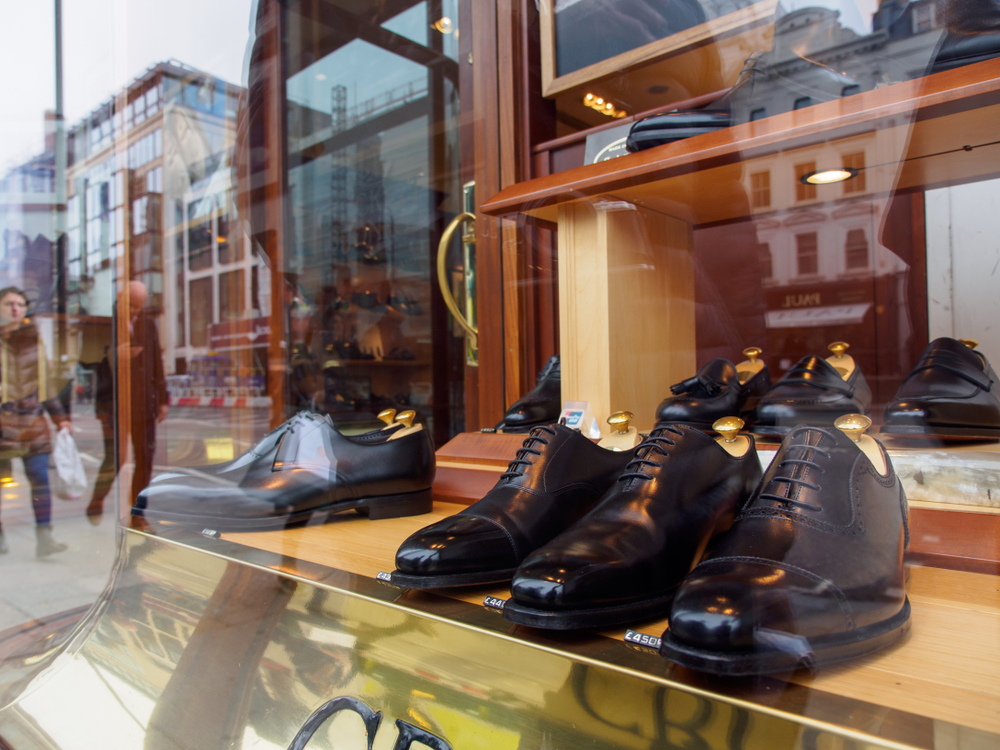
As you slip on a pair of expertly crafted shoes, you may not realize the centuries of tradition and skill behind their creation. The art of high-end shoemaking represents the pinnacle of craftsmanship, blending time-honored techniques with modern innovation. From the cobbled streets of Milan to the bustling workshops of London, master artisans dedicate their lives to perfecting every stitch and curve. In this exploration of fine shoemaking, you’ll discover the world’s most esteemed craftsmen, their origins, and the meticulous processes that transform raw materials into wearable works of art. Prepare to step into a world where quality, precision, and heritage reign supreme.
High end shoemaking is a testament to the enduring allure of fine craftsmanship. This meticulous process involves skilled artisans who dedicate years to perfecting their craft. According to Beckett Simonon, the art of shoemaking dates back thousands of years, with evidence of sandal-making from over 7,000 years ago. Today, shoe makers around the world continue to uphold these time-honored traditions while incorporating modern innovations.
Italy stands out as a hub for exceptional shoemaking. Ace Marks notes that Italian craftsmanship in this field has a rich history dating back to the Middle Ages. Other renowned shoemaking regions include England, Spain, and Japan, each with their unique styles and techniques.
Creating a high-end shoe involves multiple intricate steps. Glamoursy outlines the process, which includes design, material selection, hand-cutting and shaping of leather, intricate hand-sewing, assembly, and rigorous quality control. Techniques like the Goodyear welt, described by TLB Mallorca, ensure durability and allow for easy resoling, extending the life of these exquisite creations.
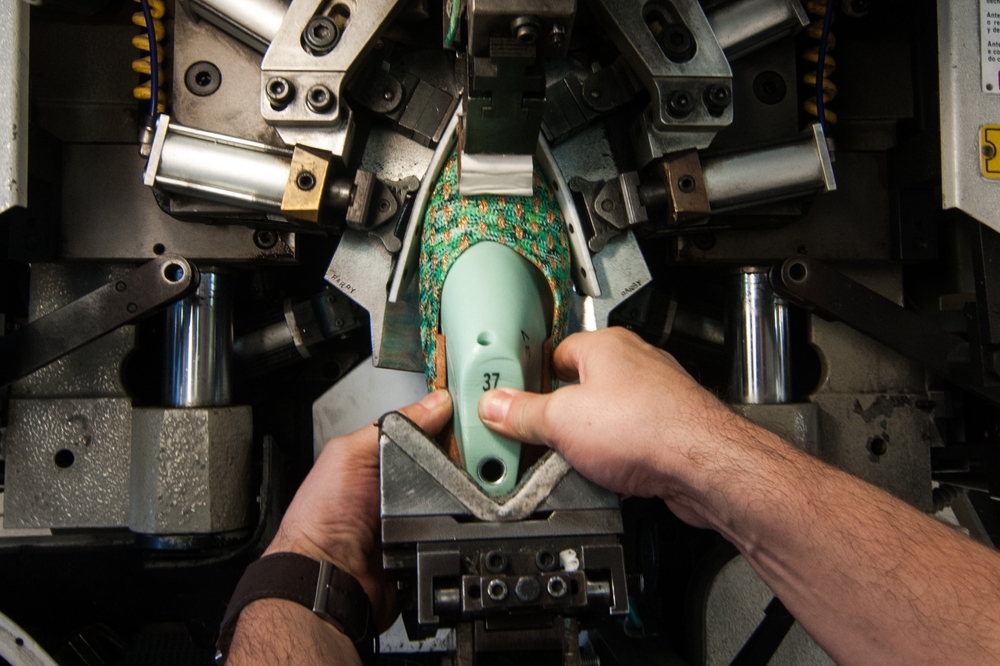
Fine craftsmanship in shoemaking is an art form that combines centuries-old traditions with meticulous attention to detail. It’s a process that elevates footwear from mere necessity to wearable masterpieces, showcasing the skill and passion of artisans dedicated to perfection.
At its core, fine craftsmanship in shoemaking involves a painstaking process that can take years for master shoemakers to perfect. According to Bontoni, a renowned Italian shoemaker, this includes precisely cutting leather patterns, hand-sewing seams, and carefully attaching the welt and outsole using traditional techniques like lock stitching. Each pair of high-end shoes may require 150 to 200 individual steps, taking an average of two days to manufacture.
Fine craftsmanship in shoemaking is a global art, with master craftsmen hailing from various corners of the world. Italy, in particular, has long been synonymous with exceptional shoemaking. The town of Fiesso d’Artico, for instance, has an 800-year history of premium footwear manufacturing, attracting luxury brands like Louis Vuitton to establish factories there.
High-end craftsmanship in shoemaking is characterized by the use of premium materials, hand-stitching, and specialized techniques. These may include hand-lasting, hand-sewn welts, hand-burnishing, and hand-patina, which add exceptional durability, comfort, and unique visual effects to each pair. The result is a product that embodies both timeless elegance and unparalleled quality, making fine craftsmanship in shoemaking a true art form.
The world’s finest shoemakers hail from countries with rich traditions in leather crafting and high-end craftsmanship. England, Italy, and France are widely recognized as the traditional purveyors of bespoke footwear. These nations have produced iconic brands like John Lobb, Berluti, and Crockett & Jones, renowned for their exquisite attention to detail and time-honored techniques.
While European countries dominate the luxury shoe market, other regions are gaining recognition for their exceptional shoe makers around the world. Spain has emerged as a hub for comfortable yet stylish footwear, with brands like Carmina earning acclaim for their innovative designs and sustainable practices. Japan, too, has made its mark with artisans like Yohei Fukuda pushing the boundaries of fine craftsmanship.
Interestingly, many renowned bespoke shoemakers are concentrated in specific regions. Northampton, England, boasts a long history of shoemaking and is home to esteemed brands such as George Cleverley and Gaziano & Girling. This concentration of talent and tradition has cemented Northampton’s status as a global epicenter for luxury footwear production.
The art of high end shoemaking is a testament to fine craftsmanship, requiring patience, skill, and attention to detail. This meticulous process involves over 140 steps, each executed with precision by master artisans.
The journey begins with choosing the finest leathers and materials. Italian bespoke shoemakers, renowned for their exceptional quality, often use full-grain leather, suede, or calfskin for their creations.
Next, shoe makers around the world take precise measurements of the client’s feet to create a custom last – a wooden mold that forms the shoe’s shape. This ensures a perfect fit tailored to the individual.
The upper is then carefully cut, stitched, and shaped around the last. Many high-end shoemakers employ hand-welted construction, a labor-intensive method that results in superior durability and allows for future resoling.
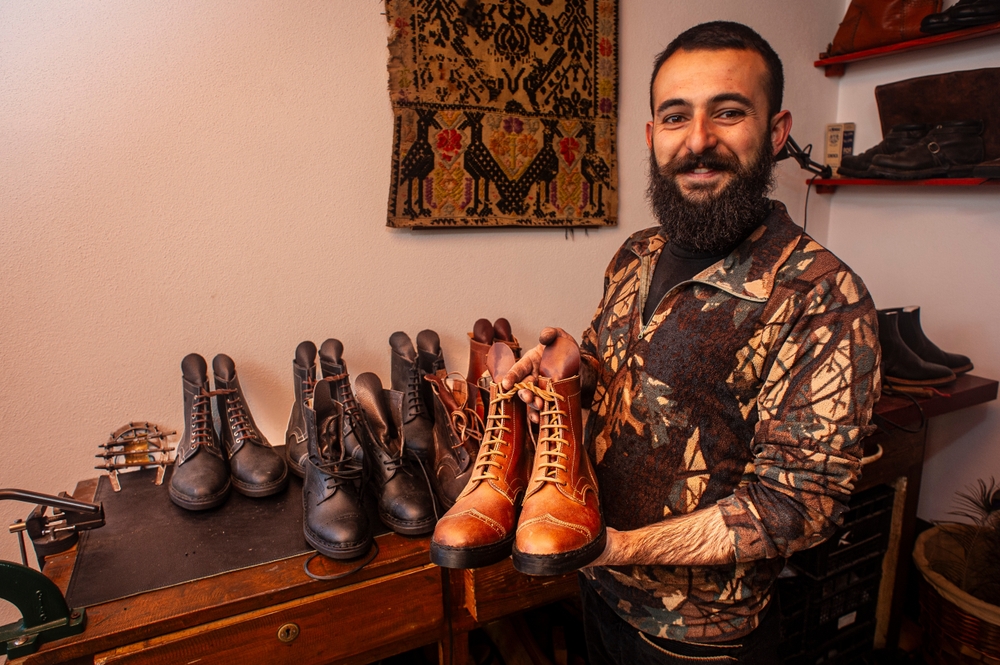
Finally, the sole is attached, and the shoe undergoes extensive finishing processes. This may include hand-dyeing, polishing, and burnishing to achieve the desired color and luster, exemplifying the pinnacle of fine craftsmanship in the world of footwear.
When it comes to high end craftsmanship in footwear, several names stand out across continents. In England, George Cleverley and John Lobb exemplify quintessential British shoemaking, with their Goodyear-welted creations adorning the feet of royalty and celebrities alike. Across the Channel, Berluti in France has been crafting exquisite bespoke footwear since 1895, offering unique patinas and intricate customizations.
While Europe has long dominated the scene, Japan is emerging as a new epicenter for fine craftsmanship in shoemaking. Artisans like Yohei Fukuda and Hiro Yanagimachi blend traditional techniques with contemporary designs, producing limited-edition masterpieces that rival their Western counterparts. Their attention to detail and commitment to perfection have earned them a loyal following among discerning shoe enthusiasts worldwide.
From the sun-drenched workshops of Spain’s Carmina to the meticulous ateliers of Italy’s Antonio Meccariello, shoe makers around the world continue to push the boundaries of their craft. Each brings a unique perspective to the art of shoemaking, influenced by local traditions and innovative techniques. This global diversity ensures that the world of high-end footwear remains vibrant, evolving, and endlessly fascinating for connoisseurs and casual admirers alike.
High-end shoemaking is characterized by meticulous attention to detail, superior materials, and time-honored techniques. According to Italian Shoe Factory, the process can involve up to 300 steps to create a single pair of handmade shoes. This level of craftsmanship results in footwear that is not only aesthetically pleasing but also durable and comfortable.
The world’s finest shoe makers are often found in countries with rich shoemaking traditions. Italy, in particular, has been renowned for its exceptional quality and craftsmanship since the Middle Ages. As noted by AceMarks, Italian artisans use premium materials like full-grain leather and calfskin, combined with traditional techniques, to create shoes of unparalleled quality.
Fine craftsmanship in shoemaking is distinguished by its artisanal approach. According to Medium, techniques like hand-burnishing and hand-patina add unique finishes to each pair, making them one-of-a-kind works of art. This level of craftsmanship ensures that high end crafstmaking produces shoes that are not just functional, but also expressions of artistic skill and passion.
As you’ve discovered, the world of high-end shoemaking is a realm of unparalleled craftsmanship and artistry. From the cobbled streets of Northampton to the ateliers of Milan, master craftsmen dedicate their lives to perfecting this timeless trade. The meticulous process of creating a bespoke shoe involves dozens of precise steps, each executed with skill honed over decades. While technological advances have their place, it is the human touch that truly elevates a shoe from mere footwear to a work of art. By supporting these artisans, you not only adorn your feet with the finest leather and construction but also play a vital role in preserving a rich cultural heritage for generations to come.

Explore key strategies for family offices to enhance resilience and adaptability in unpredictable markets.

Explore how collaborative investment strategies are reshaping family office dynamics and driving sustainable wealth growth.

Explore how strategic networking enhances family office operations and investment decisions in 2026.
Protected by reCAPTCHA — the Google Privacy Policy and Terms of Service apply.
Join the discussion
Comments are open to signed-in members. Sign in to add yours, or apply to join the network.
Sign in Apply for FON+