Maximizing Family Office Travel Through Private Aviation Strategies
Explore how private aviation strategies can enhance family office travel experiences.
The landscape of private aviation is rapidly changing, driven by technological advancements and shifting travel preferences among ultra-wealthy families.
In recent years, private aviation has transitioned from a luxury amenity to a vital component of travel for ultra-high-net-worth (UHNW) families. This change is influenced by factors such as increased demand for personalized travel experiences, the need for flexibility, and a heightened awareness of time efficiency. Recent reporting has highlighted that the cost to fly private has surged by as much as 20% due to rising fuel prices, prompting families to evaluate their aviation strategies more critically.
Several trends are shaping the current state of private aviation:

As we move through 2026, the private aviation sector is expected to continue its growth trajectory, adapting to the needs of its clientele. Family offices are increasingly focusing on direct deals involving aircraft ownership and fractional ownership models, allowing for more cost-effective access to private flying. For insights on the latest trends, see luxury travel trends for ultra-wealthy families.
Moreover, the rise of private jet charters has made luxury travel more accessible. This democratization of private aviation allows families to enjoy the benefits of private flights without the long-term commitment of aircraft ownership.
“The best opportunities in this world are never advertised — they move through relationships. Our job is to be the room where those relationships form.”
— Andrew Schneider, Founder & CEO, Family Office Networks
Investment in private aviation is not just limited to purchasing jets; it also encompasses various aspects such as maintenance, management services, and technology upgrades. Family offices are recognizing that:
As a result, many family offices are shifting their focus away from traditional investment vehicles in favor of direct investments in aviation assets. This approach allows for greater control and potential for return, aligning closely with the overarching trend of family offices moving toward direct deals. For more on this topic, check out strategies for family offices in 2026.
To navigate the evolving landscape of private aviation, families need to adopt a proactive approach. Here are some best practices for family offices to consider:

Private aviation is no longer just about luxury; it represents a strategic asset for UHNW families. As the landscape evolves, embracing innovative solutions and adapting to changing demands will be crucial for family offices looking to leverage private aviation effectively. For insights on the financial aspects, see evaluating aircraft depreciation and market value factors.
Private aviation offers unparalleled convenience, time savings, and a customizable travel experience tailored to families’ specific needs.
Families can explore fractional ownership or charter options to mitigate costs while still enjoying the benefits of private travel.
Technological advancements are enhancing safety and comfort, while sustainability is pushing families to consider eco-friendly aviation solutions.
Engaging qualified aviation advisors is crucial for understanding market dynamics and ensuring compliance with regulations.
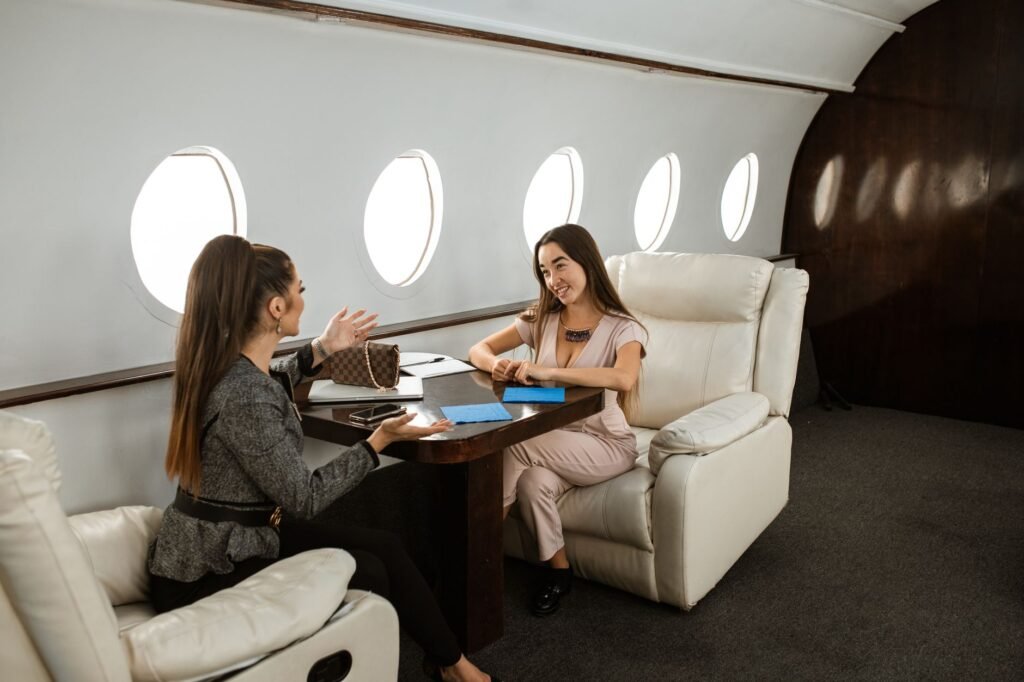
Explore how private aviation strategies can enhance family office travel experiences.
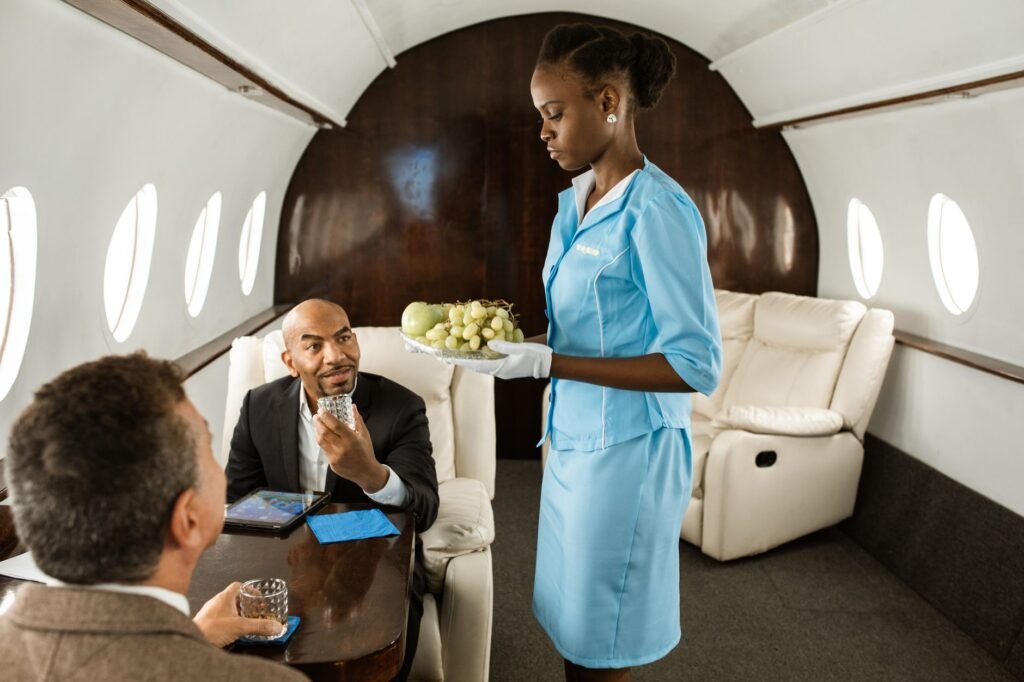
Explore how luxury travel trends are reshaping family office aviation strategies in 2026.

Discover how private aviation is transforming travel for family offices in 2026.
Protected by reCAPTCHA — the Google Privacy Policy and Terms of Service apply.
Join the discussion
Comments are open to signed-in members. Sign in to add yours, or apply to join the network.
Sign in Apply for FON+