The Evolving Landscape of Political Influence on Family Offices
Political influence is reshaping family office strategies in 2026. Explore current dynamics and implications for investment choices.

Political dynamics are increasingly influencing how family offices allocate capital and manage assets. As the landscape shifts, family offices must adapt their strategies to account for regulatory changes, market volatility, and emerging opportunities.
Family offices have long operated in a grey area regarding regulation, but recent political developments have pushed them into the spotlight. With increasing scrutiny on wealth management practices, many offices are re-evaluating their compliance frameworks to ensure they remain aligned with new regulations. For insights on how family offices are responding to these challenges, see how family offices navigate new regulations.
In conversations across the FON membership, several offices report heightened concerns regarding compliance, especially in light of proposed legislation aimed at wealth and tax reforms. For example, recent discussions suggest that many family offices are enhancing their governance structures to preemptively address potential regulatory shifts.
The political landscape is a critical factor impacting family office strategies. Following the recent elections, many family offices are adjusting their investment priorities in response to perceived policy shifts. For instance, the renewed focus on green technologies and sustainable investments is prompting family offices to explore opportunities in renewable energy and related sectors.
Additionally, political tensions, such as those surrounding trade policies and international relations, are influencing family offices to diversify their portfolios geographically. Family offices have begun to look at emerging markets, particularly in Asia, as potential growth areas. Recent reporting indicates that a number of European wealth entities are shifting operations to Hong Kong, highlighting the growing interest in Asian markets.

With political uncertainty comes volatility in capital markets. Family offices are increasingly adopting a more cautious approach to capital allocation, focusing on defensive strategies that prioritize capital preservation.
Many principals are emphasizing the importance of liquidity in their portfolios, with a growing minority expressing interest in evergreen vehicles and direct investments that offer greater control and flexibility. The emphasis is not just on returns but also on the ability to adapt quickly to changing market conditions.
Philanthropy has become an integral part of the family office narrative, particularly in light of the current political climate. Many family offices are aligning their charitable efforts with their investment strategies, focusing on causes that reflect their values while also generating social impact. For more on how political influences shape these strategies, check out why regulation of family offices is being discussed.
Next-gen leaders within family offices are increasingly advocating for more impactful philanthropy, pushing their families to engage in social issues that resonate with their interests and values. This generational shift is leading to innovative giving strategies, such as donor-advised funds (DAFs), that allow for greater flexibility and engagement in philanthropy.
As family offices consider succession planning, involving the next generation in philanthropic efforts is becoming a focal point. Leveraging the enthusiasm and perspective of younger family members can lead to more effective and meaningful philanthropic outcomes. This not only fosters a sense of responsibility but also strengthens family ties through shared initiatives.

As family offices continue to navigate the evolving political landscape, the focus on agility, compliance, and strategic philanthropy will be paramount. The current environment presents both challenges and opportunities for UHNW families, driving them to rethink their approaches to investment and engagement with broader societal issues.
In this context, family offices that can successfully adapt to political changes while maintaining a clear vision for their capital will not only safeguard their wealth but also position themselves as influential players in shaping the future of wealth management.

Political influence is reshaping family office strategies in 2026. Explore current dynamics and implications for investment choices.
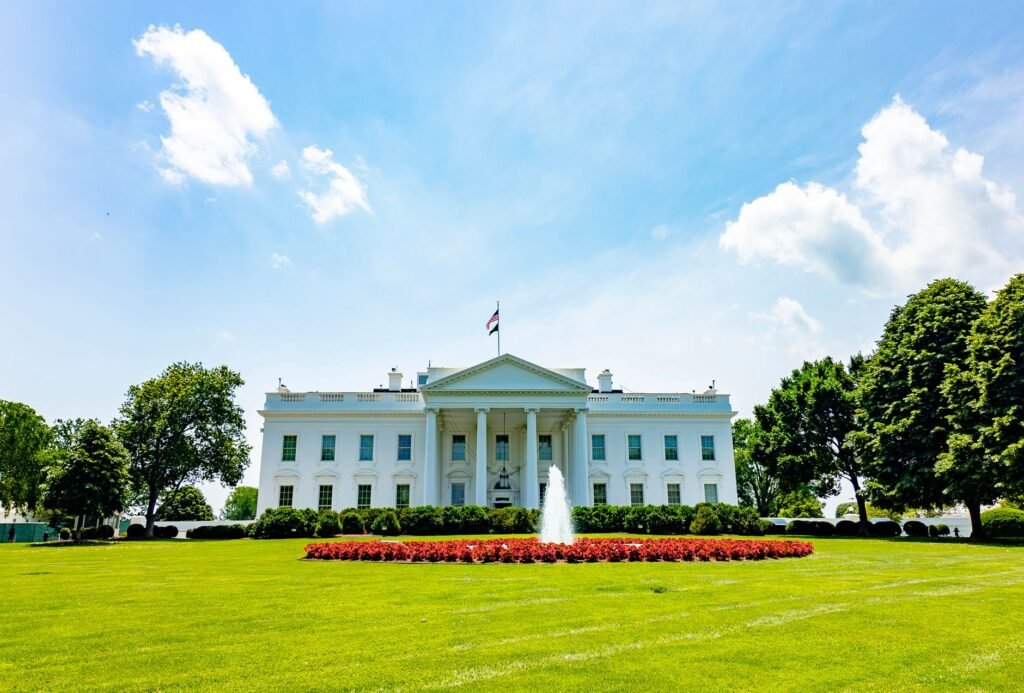
Political dynamics in Trump's second term are reshaping family office investment strategies as wealth strategies adapt.

Political influence is reshaping family office investment strategies in 2026. Here's what you need to know.
Protected by reCAPTCHA — the Google Privacy Policy and Terms of Service apply.
Join the discussion
Comments are open to signed-in members. Sign in to add yours, or apply to join the network.
Sign in Apply for FON+