The Allure of Luxury Yachts: A Family Office Investment Perspective
Luxury yachts are becoming a key investment for family offices, blending leisure and asset appreciation.

The value of an artwork extends beyond its aesthetic appeal; provenance can significantly enhance its market worth. Understanding the history of ownership is essential for collectors and investors alike.
Provenance refers to the documented history of ownership of an artwork. This history can include previous owners, exhibition history, and any relevant documentation that verifies its authenticity. A clear provenance not only enhances the value of the piece but also provides assurance to potential buyers about its legitimacy.
Documentation is key to establishing provenance. This can encompass:
Artworks with comprehensive documentation typically command higher prices on the market. A lack of provenance, on the other hand, can lead to skepticism about the piece’s authenticity and rightful ownership, thereby diminishing its value.
The art market is influenced by trends, demand, and cultural significance, but provenance remains a core aspect of value assessment. When collectors, investors, or family offices evaluate art for acquisition, they often prioritize works with a well-documented history of ownership.
Several factors related to provenance can impact an artwork’s market value:
When assessing an artwork, it is crucial to analyze its provenance alongside these factors to arrive at a holistic valuation. A robust provenance can provide a competitive edge in negotiations and auctions.
While provenance can enhance value, establishing a clear history can present challenges. Some artworks may have incomplete records due to:
These challenges highlight the importance of thorough due diligence when acquiring art. Potential buyers should engage with reputable experts and conduct comprehensive research to avoid pitfalls associated with unclear provenance.
For collectors and family offices, understanding provenance is just one aspect of managing collectible and passion assets. Considerations also extend to:
Insurance providers often require documentation of provenance to establish value and assess risk. Ensuring that artworks are adequately insured requires a clear understanding of their market value, which is intimately tied to their provenance.
Proper storage and maintenance of artworks are crucial for preserving their condition and value. This includes:
Neglecting these aspects can lead to degradation, affecting both the artwork’s condition and its provenance narrative.
When considering succession planning, the provenance of artworks should be documented and communicated clearly to heirs. This ensures that the value of the collection is preserved and understood by the next generation.
As the market for collectible assets continues to evolve, the role of provenance in valuation is becoming increasingly prominent. Collectors are recognizing that a strong provenance can enhance not only the value of individual pieces but also the overall appeal of their collection. This trend is evident across various categories, including art, watches, wine, classic cars, and jewelry.
Provenance is the documented history of ownership of an artwork that can include previous owners, exhibition history, and authentication records.
Provenance is crucial for art valuation as it establishes authenticity, enhances market value, and can influence buyer confidence.
To verify provenance, review documentation such as purchase receipts, exhibition catalogues, and expert appraisals to establish a clear ownership history.
Yes, insurance providers often require evidence of provenance to assess the value and risk associated with insuring artworks.

Luxury yachts are becoming a key investment for family offices, blending leisure and asset appreciation.

Discover how luxury collectibles are becoming essential assets for family offices in 2026.
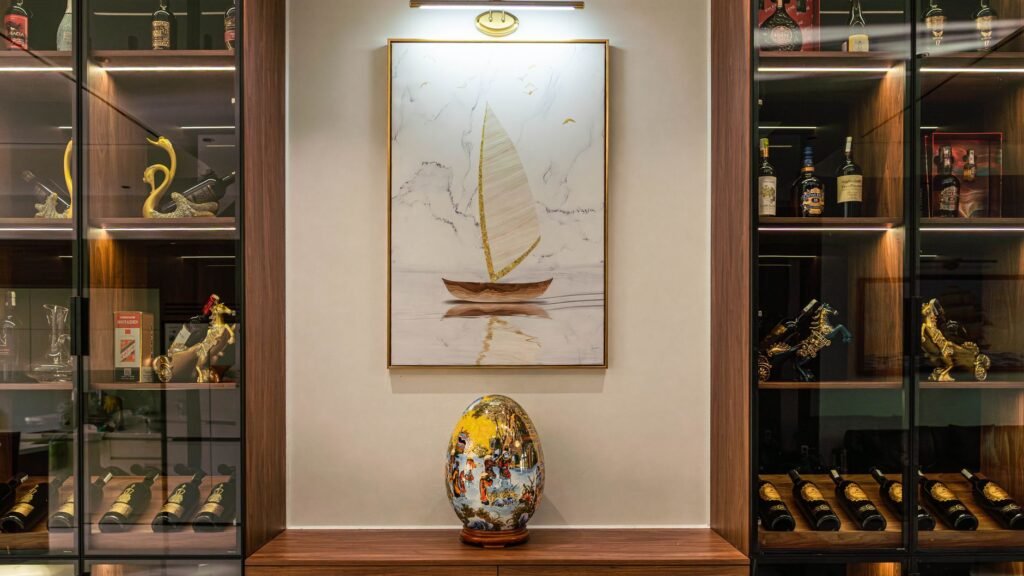
Discover why luxury collectibles are becoming essential assets for family offices.
Protected by reCAPTCHA — the Google Privacy Policy and Terms of Service apply.
Join the discussion
Comments are open to signed-in members. Sign in to add yours, or apply to join the network.
Sign in Apply for FON+