Direct Investment Trends Shaping Family Office Strategies
Explore how direct investment trends are transforming family office strategies in 2026, driving flexibility and innovation in capital allocation.
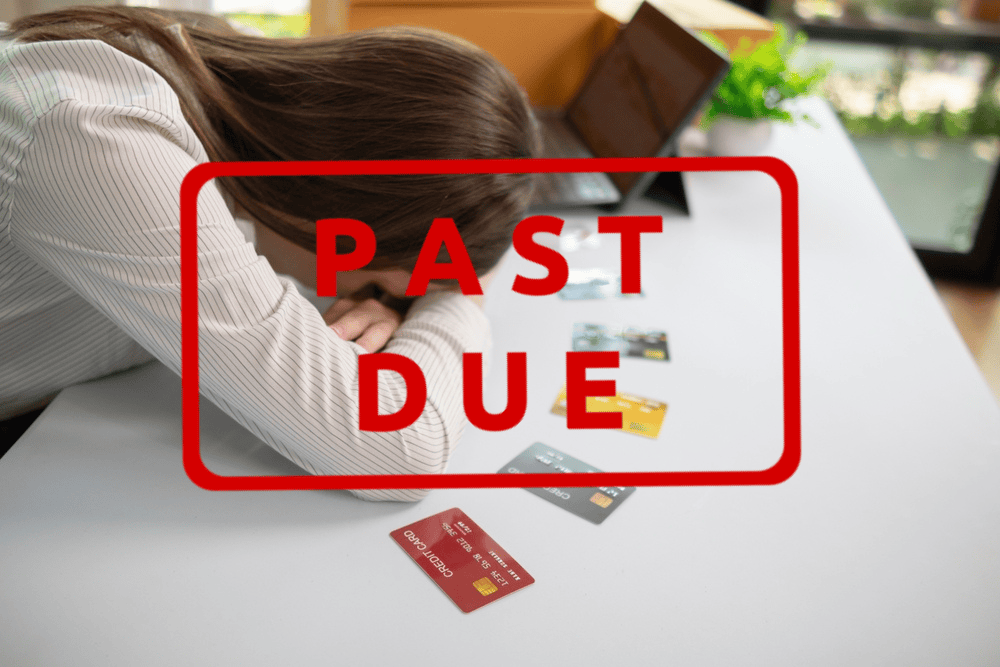
As you examine your monthly statements, a sobering reality emerges: credit card and mortgage default rates have surged over the past eight years. This financial crisis affects millions of Americans, with default rates climbing steadily since 2015. You’re not alone in facing these challenges. Recent data shows credit card defaults reaching 3.63% in 2023, while mortgage delinquencies hover around 3%. The ripple effects are evident in rising bankruptcy filings, which increased by 18% in 2022 alone. To understand this trend, you must consider the political landscape and policy decisions that have shaped our economic environment, including interest rate fluctuations and their impact on your financial stability.
Credit card delinquencies have been steadily rising since late 2021, surpassing pre-pandemic levels and signaling potential economic stress. This trend is particularly pronounced among “maxed-out borrowers” – those using 90-100% of their available credit limit. Younger generations and individuals in lower-income areas are disproportionately affected by these rising rates.
Similarly, mortgage defaults are increasing, putting pressure on homeowners and lenders alike. The “higher-for-longer” interest rate environment is squeezing borrowers across the board, making it more expensive to service debt. This economic landscape is leading to a surge in bankruptcies as individuals and businesses struggle to meet their financial obligations.
Political factors and policies, including Federal Reserve decisions on interest rates, are contributing to these trends, shaping the current default landscape.

Credit card delinquencies have been steadily rising since late 2021, surpassing pre-pandemic levels. This trend is particularly pronounced among “maxed-out” borrowers – those utilizing 90% or more of their available credit limit. The increase in rising rates for credit card defaults is disproportionately affecting younger generations and lower-income neighborhoods.
Several factors are fueling this surge in credit card and mortgage defaults. The higher-for-longer interest rate environment is squeezing borrowers as debt servicing costs rise. Additionally, tightening credit conditions and the depletion of pandemic-era savings are exacerbating the situation. These trends, coupled with broader economic pressures, are pushing more consumers towards financial distress and potential bankruptcies.
The trend of rising rates of credit card defaults is mirrored in the mortgage sector, with delinquencies climbing across various loan types. In the first quarter of 2024, the overall mortgage delinquency rate rose to 3.94%, marking a 38 basis point increase from the previous year. This uptick in mortgage defaults can be attributed to several factors, including higher unemployment, dwindling personal savings, and escalating property taxes and insurance costs.
States like Louisiana, South Dakota, and New Mexico have experienced the most significant year-over-year increases in delinquency rates. These regional disparities highlight the uneven impact of economic pressures on homeowners across the country, potentially leading to a rise in bankruptcies in the most affected areas.
The rising rates of credit card defaults have become a growing concern in recent years. While precise statistics are challenging to obtain due to the dynamic nature of financial markets, trends indicate a worrying uptick in default rates. Factors contributing to this increase include economic instability, job losses, and increasing living costs.
Bankruptcies play a significant role in credit card defaults. As financial pressures mount, more individuals are turning to bankruptcy as a last resort, directly impacting default rates. This correlation between bankruptcies and defaults underscores the broader economic challenges faced by many Americans.
Interestingly, the trend in credit card defaults often mirrors patterns in mortgage defaults. Both are indicators of financial stress and can be influenced by similar economic factors. As such, understanding the interplay between credit card and mortgage default rates provides valuable insights into overall consumer financial health.
The rising rates of credit card and mortgage defaults over the past eight years can be attributed to several interconnected factors. Consumer sentiment plays a significant role, with excessive optimism often leading to over-borrowing and higher delinquencies. Additionally, higher unemployment rates and interest rates tend to increase defaults, while higher per capita income generally reduces them.
Political factors and policies have also contributed to these trends. The Federal Reserve’s monetary policies significantly influence interest rates, affecting borrowing costs across various loan types. Interestingly, credit card interest rates have remained high despite falling charge-off rates and a stable share of subprime cardholders, potentially contributing to increased bankruptcies. This mismatch between rates and lending risks may partly explain the credit card market’s outsized profits in recent years.
As interest rates climb, the strain on borrowers intensifies, leading to a surge in rising rates credit card mortgages default. The Federal Reserve’s aggressive rate hikes since late 2021 have pushed up borrowing costs across the board. This “higher-for-longer” environment is squeezing individual and business borrowers, making it increasingly difficult to service existing debt.
With credit card APRs reaching an all-time high of 22.8% in 2023, consumers are feeling the pinch. This has led to a concerning uptick in delinquencies and bankruptcies, particularly among younger and lower-income borrowers. The ripple effect extends to mortgages and auto loans, creating a perfect storm of financial stress for many households.
Political decisions significantly influence rising rates for credit card and mortgage defaults. According to the White House’s Council of Economic Advisers, even a brief default on U.S. debt could lead to a sharp recession, causing job losses and increased interest rates. This highlights how administration policies directly affect your financial stability.
As interest rates fluctuate, so does the risk of personal bankruptcies. Political factors, such as debt ceiling negotiations, can create market stress and higher borrowing costs. This economic uncertainty often translates to increased credit card debt and mortgage defaults, potentially pushing more individuals towards bankruptcy. Understanding these connections is crucial for navigating today’s complex financial landscape.
The confluence of rising rates, credit card debt, and mortgage defaults has contributed to a surge in bankruptcies. According to the National Bureau of Economic Research, personal bankruptcy filings in the US increased more than fivefold between 1980 and 2004. While the 2005 bankruptcy reforms initially reduced filings, they inadvertently increased financial distress.
The reforms made lenders more willing to extend credit, even to high-risk borrowers. This led to a rapid increase in credit card debt, outpacing the previous five years’ growth. Many consumers, behaving shortsightedly, borrowed more than they could handle, ignoring the risk of financial distress.
Political risks, including government policies and climate-related issues, have further exacerbated the situation. These factors can disrupt businesses, leading to cash flow problems and increased likelihood of defaults and bankruptcies.
While rising rates of credit card and mortgage defaults have become increasingly common, losing your house due to credit card debt is extremely rare. Credit card debt is unsecured, meaning your home wasn’t used as collateral when you opened the account. However, if you’re facing severe financial distress, it’s crucial to understand the potential risks.
In most cases, creditors cannot seize your home to pay off credit card debt. For this to happen, a creditor would need to:
Even then, many states have homestead exemptions that protect a certain amount of home equity from creditors.
If you’re struggling with credit card debt, consider alternatives like bankruptcy, consumer credit counseling, or debt settlement before risking your home.
As you’ve seen, credit card and mortgage default rates have risen alarmingly over the past eight years, with bankruptcies following suit. The data paints a sobering picture of financial instability for many Americans. While various factors contribute to this trend, political decisions and policies – particularly around interest rates – have played a significant role. The previous administration’s approach to monetary policy set the stage for today’s challenges. Moving forward, it’s crucial to closely monitor these economic indicators and push for responsible policies that promote financial stability. By staying informed and engaged, you can better navigate these uncertain times and advocate for positive change in our financial system.
Explore how direct investment trends are transforming family office strategies in 2026, driving flexibility and innovation in capital allocation.

Explore how flexibility in family office investing can enhance capital allocation strategies and lead to better opportunities.

Explore how the permanent $15 million estate tax exemption impacts family offices and wealth planning strategies.
Protected by reCAPTCHA — the Google Privacy Policy and Terms of Service apply.
Join the discussion
Comments are open to signed-in members. Sign in to add yours, or apply to join the network.
Sign in Apply for FON+