Political Risks Facing Family Offices in 2026
Political risks significantly shape family office strategies in 2026.

In a world where political dynamics shift quickly, family offices must adapt to survive. Understanding the evolving landscape is crucial for safeguarding wealth and seizing new opportunities.
The political landscape in 2026 is marked by significant fragmentation, both domestically and internationally. Recent developments, such as growing concerns over global economic stability and the rise of populist movements, have forced family offices to reassess their strategies. Notably, recent reporting indicates that family offices are increasingly capitalizing on the fragmentation of wealth, seeking opportunities in emerging markets and navigating complex regulatory environments.
Family offices are not just passive observers; they are actively engaging with political realities. This engagement ranges from direct lobbying efforts to forming alliances with other wealth holders to influence policy outcomes. The importance of being politically astute cannot be overstated, as the right connections can open doors to unique investment opportunities. Understanding political strategies in a divided America is essential for navigating these complexities.
As political winds shift, so too do investment strategies. Family offices are prioritizing flexibility and adaptability in their portfolios. This means diversifying investments across various sectors and geographies to mitigate risks associated with political uncertainty.
The single biggest advantage a family office can have isn’t capital — it’s a trusted circle of peers who share what is actually working.
— Andrew Schneider, Founder & CEO, Family Office Networks
This perspective is critical as family offices look to navigate the complexities of political climates. By fostering strong peer networks, they can share insights and strategies that enhance their resilience in the face of political challenges.
The global political landscape in 2026 is characterized by several key trends that family offices must monitor closely. For instance, the ongoing conflict in the Middle East and its implications for energy markets can significantly impact investment strategies. Moreover, the recent shift of European wealth toward Hong Kong highlights the importance of understanding regional dynamics and their effects on global capital flows.
Family offices are responding by evaluating their exposure to different markets and considering the long-term implications of these geopolitical shifts. Reports indicate that family offices are increasingly looking to diversify away from traditional safe havens, such as Switzerland, in favor of more dynamic markets.

Philanthropic efforts are also being influenced by the changing political landscape. Family offices are increasingly aware of the power of philanthropy not only as a means of giving back but also as a tool for influencing policy. By strategically directing funds toward social causes, family offices can engage with political issues that align with their values and interests.
As family offices engage more deeply in philanthropy, they are finding that their influence extends beyond financial contributions. Collaborating with other philanthropic organizations and engaging in advocacy can amplify their impact, creating a ripple effect that contributes to meaningful policy changes.
The political landscape will continue to evolve, presenting both challenges and opportunities for family offices. As ultra-high-net-worth individuals increasingly seek to align their investments with their values, family offices will need to be at the forefront of these conversations. Insights from geopolitical trends shaping family office strategies will be crucial in this regard.
Families that embrace a proactive approach to political engagement, whether through direct investment, collaboration, or philanthropy, will likely emerge as leaders in the space. The ability to adapt to changing political climates and leverage relationships will become a defining characteristic of successful family offices moving forward.

As family offices navigate these complexities, the lessons learned from past political cycles will inform their strategies. By maintaining a keen awareness of the political landscape and fostering a network of trusted peers, family offices can position themselves to thrive in a world marked by uncertainty and change.

Political risks significantly shape family office strategies in 2026.

Political influence is reshaping family office strategies in 2026. Explore current dynamics and implications for investment choices.
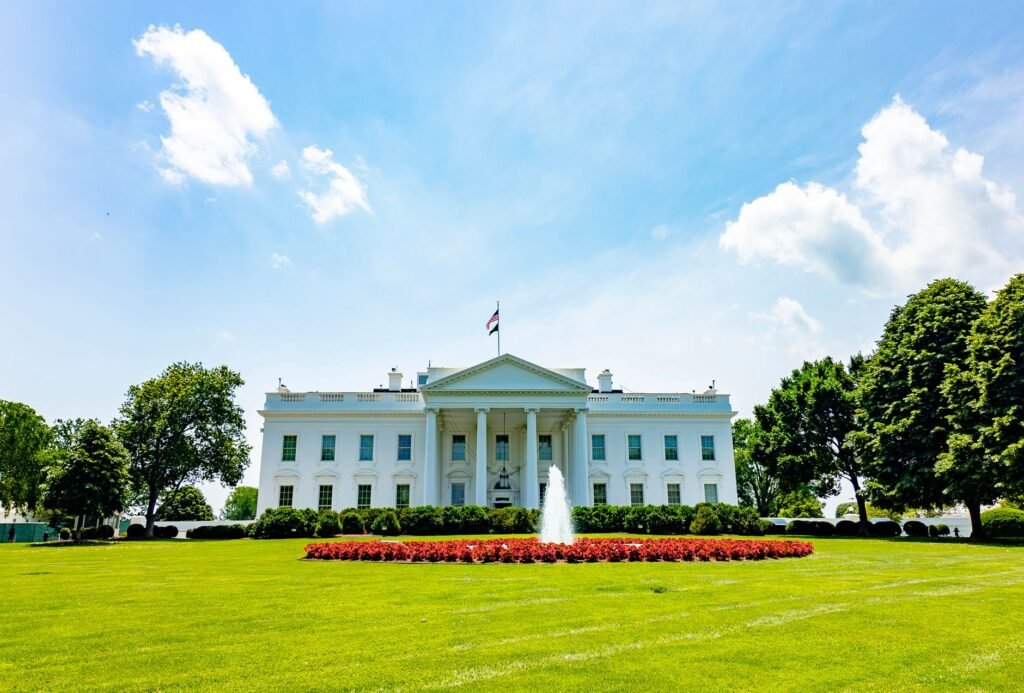
Political dynamics in Trump's second term are reshaping family office investment strategies as wealth strategies adapt.
Protected by reCAPTCHA — the Google Privacy Policy and Terms of Service apply.
Join the discussion
Comments are open to signed-in members. Sign in to add yours, or apply to join the network.
Sign in Apply for FON+