The Allure of Luxury Yachts: A Family Office Investment Perspective
Luxury yachts are becoming a key investment for family offices, blending leisure and asset appreciation.

Private sales represent a pivotal mechanism in the world of collectibles, offering unique opportunities for discerning collectors. These transactions often provide enhanced privacy, reduced fees, and greater flexibility.
Private sales involve direct transactions between buyers and sellers, bypassing public auction platforms. This method can include negotiations facilitated by dealers, galleries, or brokers, allowing parties to engage without the competitive pressures of an auction environment.
Such sales can encompass a wide range of collectibles, including fine art, rare watches, vintage wine, classic cars, and high-value jewelry. The process typically involves a series of consultations to assess the item’s value, provenance, and condition before finalizing the sale.
One of the primary advantages of private sales is the confidentiality they offer. Buyers and sellers can negotiate terms without public scrutiny, which can be particularly appealing for high-value transactions.
In the realm of collectibles, authentication and provenance are critical. Buyers must ensure that items are genuine and have verifiable histories. This is where trusted dealers and auction houses often play an essential role, providing documentation that attests to an item’s legitimacy.
Provenance is not merely a record of ownership but a narrative that enhances an item’s value. A well-documented history can increase desirability and price. In private sales, establishing provenance may require detailed records, such as previous appraisals, sales receipts, and expert evaluations.
Without proper authentication, buyers risk acquiring forgeries or misrepresented items, which could lead to significant financial loss. Therefore, engaging reputable experts to appraise and authenticate collectibles is crucial, especially during private transactions.
Valuation in private sales can be complex. Unlike auctions, where market forces dictate prices, private sales may require a nuanced understanding of both the item and the current market landscape. Collectors should thoroughly research comparable sales and condition reports to gauge a fair price.
Moreover, potential buyers should consider the following factors when assessing value:
Identifying a trusted appraiser is paramount. The appraiser’s reputation and expertise can significantly impact the valuation process, ensuring that both parties enter negotiations with a clear understanding of the item’s worth.
Owning high-value collectibles necessitates adequate insurance coverage to mitigate risks associated with theft, damage, or loss. Collectors should consult with insurance specialists familiar with the specific needs of collectibles, ensuring policies are tailored to the unique nature and value of the items.
Moreover, proper storage is equally important. Items like art and wine require specific environmental conditions to preserve their quality. Collectors should consider the following:
By addressing these factors, collectors can protect their investments and ensure that their assets maintain their value over time.
As with any significant asset, succession planning for collectibles is essential. Families should develop clear strategies for passing on these assets to future generations, considering both legal and emotional aspects.
Key elements of a successful succession plan include:
By fostering open communication and planning ahead, families can ensure that their cherished collectibles continue to be appreciated and cared for by future generations.
Private sales present a unique avenue for collectors to acquire and sell high-value items. By understanding the benefits and challenges associated with this process, collectors can make informed decisions that align with their goals and asset management strategies.
Private sales offer confidentiality, reduced fees, and greater control over the transaction process, allowing for tailored agreements between buyers and sellers.
Engaging reputable dealers or appraisers who can provide documentation and evaluations of provenance is essential to ensure the authenticity of collectibles.
Assess market demand, item condition, rarity, historical significance, and seek expert appraisals to determine a fair value for collectibles.
Consult with insurance specialists experienced in collectibles to obtain tailored coverage that addresses the specific risks associated with your items.

Luxury yachts are becoming a key investment for family offices, blending leisure and asset appreciation.

Discover how luxury collectibles are becoming essential assets for family offices in 2026.
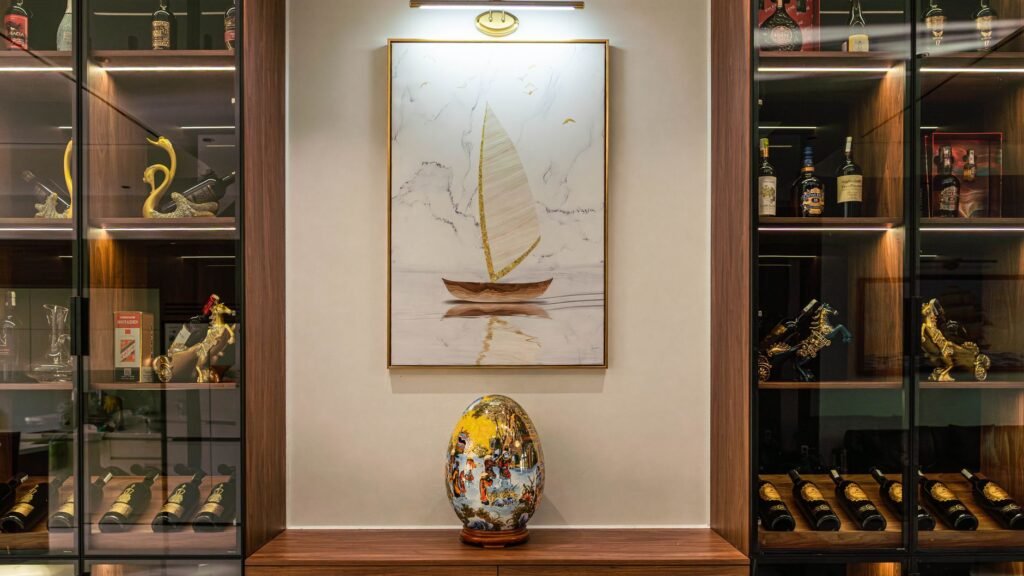
Discover why luxury collectibles are becoming essential assets for family offices.
Protected by reCAPTCHA — the Google Privacy Policy and Terms of Service apply.
Join the discussion
Comments are open to signed-in members. Sign in to add yours, or apply to join the network.
Sign in Apply for FON+