Maximizing Family Office Travel Through Private Aviation Strategies
Explore how private aviation strategies can enhance family office travel experiences.
Owning a private yacht involves significant ongoing expenses that extend far beyond the initial purchase price. Understanding these costs is crucial for effective financial planning.
When contemplating yacht ownership, potential buyers should account for both the initial investment and the ongoing operational costs. The decision between fractional versus whole ownership can significantly impact these expenses.
Establishing a maintenance reserve is vital in yacht ownership. General wisdom suggests setting aside a percentage of the yacht’s value annually for upkeep. This reserve covers routine maintenance, unexpected repairs, and upgrades.
Owners should consider the following expenses when budgeting for maintenance:
Additionally, the type of yacht influences maintenance costs. Larger yachts typically incur higher expenses due to more complex systems and greater resource consumption.
Insurance is another significant expense in yacht ownership. Policies vary based on the yacht’s value, usage, and location. Owners should shop around for comprehensive coverage that protects against damage, liability, and loss.
Registration and flag choice also affect costs. Some owners opt for flags of convenience to minimize regulatory burdens, but this can have implications for taxation and insurance.
For larger yachts, hiring a professional crew can be one of the most substantial ongoing costs. Crew salaries vary widely based on experience, geographical location, and the yacht’s complexity. Owners should consider the following crew-related expenses:
Smaller yachts may not require a full-time crew, allowing owners to save on these costs. However, hiring crew members on a part-time or seasonal basis can still add up.
Some yacht owners choose to offset maintenance costs by chartering out their vessels. This practice can generate significant revenue, but it requires careful planning and management. Considerations include:
Effective chartering can help owners balance the costs associated with yacht ownership while still enjoying personal use of the asset.
In evaluating yacht ownership, a thorough understanding of ongoing costs is essential. From maintenance reserves and insurance to crewing and potential chartering revenues, every aspect requires careful consideration. A proactive approach to budgeting can ensure that yacht ownership remains a pleasurable experience and a sound investment.
Maintenance costs can vary widely depending on the size and type of yacht, but they typically include routine servicing, repairs, and upgrades, often suggesting an annual reserve based on the yacht’s value.
Reducing yacht maintenance expenses can involve careful budgeting for reserves, opting for fractional ownership, or chartering the yacht to offset costs.
Hiring a crew can enhance the yachting experience, especially for larger vessels, but it also significantly increases ongoing costs. Evaluate your usage to determine if a crew is necessary.
Yacht insurance costs are influenced by the yacht’s value, usage, geographical location, and the owner’s claims history. Shopping around for competitive rates is advisable.
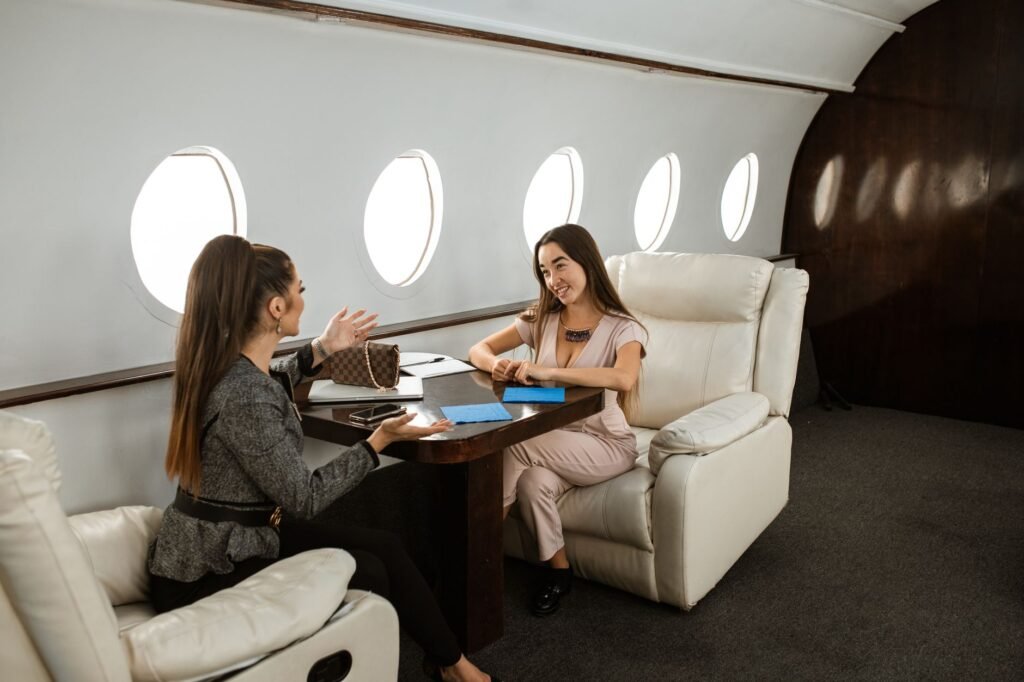
Explore how private aviation strategies can enhance family office travel experiences.

Explore how luxury travel trends are reshaping family office aviation strategies in 2026.

Discover how private aviation is transforming travel for family offices in 2026.
Protected by reCAPTCHA — the Google Privacy Policy and Terms of Service apply.
Join the discussion
Comments are open to signed-in members. Sign in to add yours, or apply to join the network.
Sign in Apply for FON+