Evolving Governance Structures in Family Offices: A 2026 Perspective
Explore how family offices are adapting governance structures in 2026.

As the global population continues to rise and climate change disrupts traditional agricultural practices, the need for innovative, sustainable food production solutions has never been more pressing. Amidst this backdrop, a quiet revolution is underway – one that is being spearheaded by forward-thinking family offices seeking to future-proof their investment portfolios while driving positive environmental and social impact.
The convergence of controlled environment agriculture (CEA), advanced automation, and precision farming technologies is giving rise to a new era of food production that is poised to transform the industry. From vertically stacked indoor farms to data-driven precision agriculture, these emerging agtech innovations offer family offices a unique opportunity to generate attractive returns while playing a pivotal role in safeguarding global food security.
At the forefront of this revolution is controlled environment agriculture, which encompasses a diverse array of high-tech farming techniques, including vertical farming, hydroponics, and aeroponics. By precisely controlling variables such as light, temperature, nutrients, and water, CEA systems are able to achieve yields that far exceed traditional field-based agriculture, all while dramatically reducing resource consumption.
The global controlled environment agriculture market is projected to reach a staggering £71.5 billion by 2025, growing at a compound annual rate of over 15% – a pace that easily outstrips that of the conventional agricultural sector. This exponential growth is being driven by a confluence of factors, including rising food demand, increasing urbanization, climate change, and heightened consumer awareness around sustainability.

Vertical farming, in particular, has emerged as a key growth area within the CEA landscape, with the global market expected to exceed £7.5 billion by 2025. This innovative approach to farming, which involves growing crops in vertically stacked layers within temperature and light-controlled indoor facilities, offers a compelling solution to the challenges of land scarcity and resource constraints faced by traditional agriculture.
Pioneering family offices have already begun to make their mark in the controlled environment agriculture space, recognizing the immense potential for both financial and impact-driven returns.
The Rockefeller family office, through its investment arm Rockefeller Brothers Fund, has been particularly active in this domain. Their £25 million investment in vertical farming startup Bowery Farming has not only generated impressive financial returns but has also helped to scale a technology that is transforming urban food production. By growing leafy greens and herbs in climate-controlled, data-driven indoor farms, Bowery has been able to achieve yields up to 100 times greater than conventional agriculture, all while using 95% less water and eliminating the need for pesticides.
Similarly, the S.D. Bechtel, Jr. Foundation, a family office with a strong focus on sustainability, has allocated significant capital to Plenty, a vertical farming company that has developed proprietary technology to grow a variety of produce with unparalleled efficiency. Their £200 million investment has enabled Plenty to expand its footprint across the United States, bringing fresh, locally-grown food to urban communities that have historically lacked access to affordable, nutritious options.
While the potential rewards of controlled environment agriculture are substantial, family offices must navigate a range of technical, operational, and financial risks to ensure the success of their investments. Key considerations include:
Complementing the rise of controlled environment agriculture is the rapid advancement of automation and robotics in the broader agricultural sector – a trend that is creating significant opportunities for family office investors.
The global agricultural robotics market is projected to reach £22 billion by 2026, growing at a CAGR of over 20%. This exponential growth is being driven by a confluence of factors, including labour shortages, the need for increased productivity, and heightened pressure to reduce the environmental impact of traditional farming practices.
From autonomous tractors and drones for precision spraying to robotic harvesters and smart greenhouse technologies, the array of agricultural automation solutions is expanding rapidly. These innovations not only boost efficiency and yields but also address the persistent challenges of labor availability and worker safety that have long plagued the industry.
Family offices have been quick to recognize the transformative potential of agricultural automation, with several high-profile investments in this space.
The Walton Family Foundation, known for its pioneering sustainability initiatives, has directed significant capital towards Farmwise, a developer of autonomous weeding robots. Their £35 million investment has enabled Farmwise to scale its innovative technology, which uses computer vision and machine learning to precisely identify and remove weeds without the need for harmful herbicides.
Similarly, the Rabobank-Rabo Food & Agri Innovation Fund, a collaboration between the Dutch multinational bank and several family offices, has invested in Abundant Robotics, a company pioneering the use of robotic apple picking technology. By leveraging advanced sensors and gripping mechanisms, Abundant’s systems can harvest fruit with minimal damage, dramatically improving yield and quality while reducing the reliance on seasonal labor.
As the agricultural automation landscape continues to evolve, family offices are increasingly seeking out strategic partnership opportunities to enhance their investment theses and expand their impact. These collaborations can take many forms, including:
Underpinning the transformation of the agricultural sector is the rising adoption of precision farming technologies, which leverage advanced data analytics, sensors, and connectivity to optimize resource utilization and increase productivity.
The global precision farming market is poised to reach £12.8 billion by 2025, growing at a CAGR of over 12%. This exponential growth is being driven by the increasing availability of affordable, scalable precision farming solutions, as well as heightened pressure on farmers to improve their environmental footprint and operational efficiency.
From GPS-guided tractors and drones equipped with multispectral cameras to smart irrigation systems and predictive analytics platforms, the precision agriculture toolkit is continuously expanding. By providing farmers with granular, real-time insights into soil conditions, weather patterns, and crop health, these technologies enable them to make more informed, data-driven decisions that enhance yields, reduce input costs, and minimize environmental impact.
Family offices have been at the forefront of precision agriculture investment, recognizing the immense potential of data-driven farming to drive tangible impact.
The Bill and Melinda Gates Foundation Trust, one of the world’s most influential family offices, has made significant investments in Climate FieldView, a leading precision agriculture platform. Their £100 million commitment has helped to scale this innovative software, which integrates data from connected farm equipment, satellite imagery, and weather forecasts to provide farmers with customized, field-level insights and recommendations.
Similarly, the Soros Economic Development Fund, part of the Open Society Foundations network, has directed capital towards Hello Tractor, a “Uber for tractors” service that connects smallholder farmers in Africa with tractor owners. By leveraging digital platforms and predictive analytics, Hello Tractor is able to optimize equipment utilization and ensure that even the most resource-constrained farmers have access to the tools they need to boost productivity.
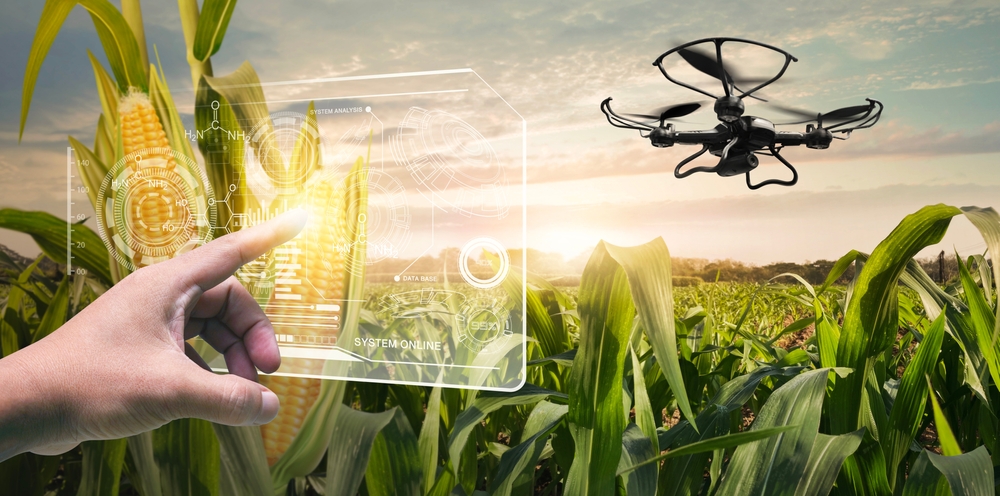
While precision agriculture holds immense promise, family offices must navigate a range of risks to ensure the success of their investments. Key considerations include:
As the agtech sector matures, family offices are presented with a growing array of exit opportunities that allow them to realize the financial and impact-driven rewards of their controlled environment agriculture and precision farming investments.
– Public market offerings: With a steadily increasing number of agtech companies pursuing initial public offerings (IPOs) and special purpose acquisition company (SPAC) transactions, family offices can capitalize on heightened investor demand for exposure to this transformative sector.
– Mergers and acquisitions: Established agricultural conglomerates, food producers, and technology giants are actively acquiring innovative agtech startups to bolster their capabilities and market share, presenting family offices with attractive exit options.
– Secondary sales: As the agtech investment ecosystem matures, a growing number of specialized venture capital funds, infrastructure investors, and family offices are seeking to acquire existing stakes in promising portfolio companies.
– Asset tokenization: The emergence of blockchain-enabled platforms that allow for the fractionalization and trading of agricultural assets, such as farmland and crop futures, is creating new avenues for family offices to achieve liquidity.
– Impact funds and bond offerings: Innovative investment vehicles, such as sustainable agriculture funds and green bonds, are providing family offices with exit options that enable them to align their financial returns with tangible environmental and social impact.
– Direct listing platforms: The rise of direct public offering (DPO) platforms, which enable companies to list shares on public exchanges without the traditional IPO process, is opening up additional exit pathways for family offices.
Successful family office investors in the agtech space typically plan their exit strategies from the outset, considering factors such as asset optimization, market timing, and the evolving buyer universe. By maintaining a strategic, long-term view and leveraging their extensive networks, family offices can maximize the value of their investments while ensuring a lasting, positive legacy.
As the dual revolutions of controlled environment agriculture and precision farming continue to reshape the global food system, family offices are uniquely positioned to play a catalytic role in accelerating this transformation. Key strategic considerations include:
Family offices should carefully evaluate the synergies between their agtech investments and their existing portfolio holdings, identifying opportunities to unlock operational efficiencies, enhance risk diversification, and amplify their environmental and social impact.
Recognizing the highly technical and rapidly evolving nature of the agtech sector, family offices must be proactive in developing in-house expertise and forging strategic partnerships with industry thought leaders, research institutions, and technical service providers.
With an eye towards the long-term, family offices should maintain a vigilant, forward-looking perspective, continuously monitoring technological advancements, evolving consumer preferences, and shifting regulatory landscapes to ensure their investment strategies remain optimally aligned.
Successful family offices in the agtech space cultivate deep, multifaceted relationships with a diverse array of stakeholders, including policymakers, community groups, and industry associations, in order to shape the broader ecosystem and drive meaningful, systemic change.

As the world grapples with the dual challenges of rising food demand and environmental degradation, the convergence of controlled environment agriculture, automation, and precision farming technologies has the potential to fundamentally reshape the global food production landscape. Family offices, with their unique combination of patient capital, multigenerational outlook, and impact-driven ethos, are poised to play a pivotal role in accelerating this transformation.
By strategically deploying their resources and expertise, family offices can not only generate attractive financial returns but also drive tangible, scalable solutions to some of humanity’s most pressing challenges. From reducing resource consumption and greenhouse gas emissions to improving food security and expanding access to fresh, nutritious produce, the family offices that embrace this agtech revolution will leave an indelible mark on the future of our food system.
As we look towards the decades ahead, the family offices that position themselves at the forefront of this transformative movement will not only cement their legacies as pioneering investors but also emerge as catalysts for a more sustainable, equitable, and resilient global food future.

Explore how family offices are adapting governance structures in 2026.

Explore how fostering a trusted community can enhance family office strategies and operations.

Explore how family office governance is adapting to modern challenges and opportunities in 2026.
Protected by reCAPTCHA — the Google Privacy Policy and Terms of Service apply.
Join the discussion
Comments are open to signed-in members. Sign in to add yours, or apply to join the network.
Sign in Apply for FON+