Political Risks Facing Family Offices in 2026
Political risks significantly shape family office strategies in 2026.

As political polarization deepens, family offices face unprecedented challenges that require strategic adaptation. With financial gains increasingly tied to political dynamics, the stakes have never been higher.
In 2026, the political environment in the United States is marked by a deepening divide, influencing how family offices engage with policy and governance. Recent developments, including the prospect of Donald Trump’s return to the White House, have created a complex landscape where wealth and politics intertwine. Family offices are not only navigating tax implications and regulatory shifts but also considering the reputational risks associated with political affiliations. For insights on how family offices are adapting to these political realities, see How Family Offices Are Adapting to Political Realities in 2026.
As Andrew Schneider, Founder & CEO of Family Office Networks, notes, “The best opportunities in this world are never advertised — they move through relationships.” This underscores the importance of networking and strategic alliance-building in a politically charged environment.
Family offices must remain vigilant about several key political influences:
As political winds shift, family offices are re-evaluating their investment strategies. They are increasingly seeking opportunities that align with their values while also providing robust returns. The focus on sustainability and ethical investing has grown, reflecting a broader societal trend. Many family offices are prioritizing investments in clean energy and sustainability, recognizing the long-term benefits of these sectors.
Moreover, as reported, “Family Offices Stayed Active in July as Clean Energy Led the Month,” highlighting the sector’s appeal in a politically charged environment. This trend reflects a broader commitment to aligning financial goals with societal impact.

Several family offices are leading the charge in adapting their strategies to the current political climate. For instance, some are establishing political action committees (PACs) to influence policy in areas that directly affect their investments.
Additionally, a growing number of family offices are engaging in advocacy around key issues such as climate change and healthcare reform. By leveraging their resources and networks, they can drive meaningful change while also protecting their interests.
With increased scrutiny from regulators, family offices must adopt robust governance frameworks. This includes ensuring compliance with new regulations and preparing for potential audits. Understanding the regulatory landscape is crucial for risk management.
Family offices are also exploring innovative structures to enhance transparency and accountability. For example, some are implementing family governance charters that outline decision-making processes and align family values with investment strategies.
The importance of building relationships cannot be overstated. Family offices are increasingly participating in political forums and engaging with policymakers to advocate for favorable conditions. By forming coalitions with other stakeholders, they can amplify their voices and influence legislative outcomes.
As the political climate evolves, family offices that prioritize relationship-building and strategic engagement will be better positioned to adapt. This proactive approach can mitigate risks and uncover opportunities in an unpredictable landscape.

Looking ahead, family offices must remain agile as they navigate the complexities of the political landscape. The ongoing polarization presents both challenges and opportunities. Offices that embrace transparency, engage actively in political discourse, and invest in sustainable initiatives will likely emerge as leaders in this new era.
As Andrew Schneider emphasizes, “Wealth does not come with an instruction manual. The closest thing is a community of principals who have already navigated what you are facing.” This rings particularly true as family offices adapt to the evolving political realities of 2026. Sharing insights and strategies within trusted networks will be essential for success.

Political risks significantly shape family office strategies in 2026.

Political influence is reshaping family office strategies in 2026. Explore current dynamics and implications for investment choices.
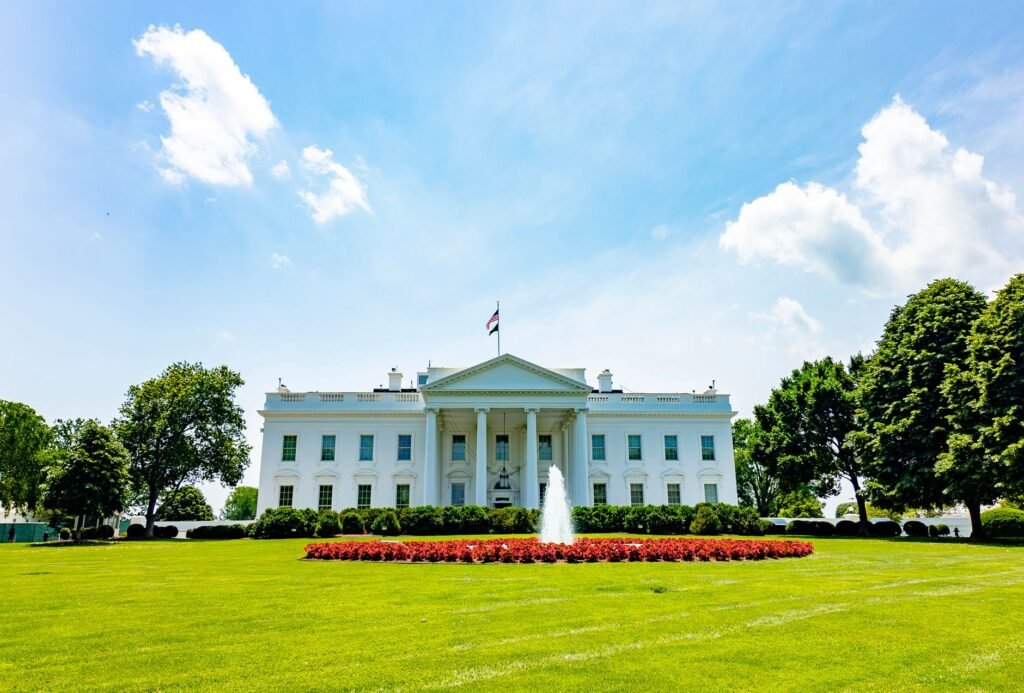
Political dynamics in Trump's second term are reshaping family office investment strategies as wealth strategies adapt.
Protected by reCAPTCHA — the Google Privacy Policy and Terms of Service apply.
Join the discussion
Comments are open to signed-in members. Sign in to add yours, or apply to join the network.
Sign in Apply for FON+