Political Risks Facing Family Offices in 2026
Political risks significantly shape family office strategies in 2026.

As geopolitical dynamics evolve, family offices are recalibrating their strategies to navigate an increasingly complex landscape. Understanding the interplay between politics and wealth management is more crucial than ever.
The political landscape is experiencing significant shifts, with family offices feeling the effects of these changes across various sectors. The rise of protectionism, changes in tax regulations, and increased scrutiny on wealth management practices are all influencing how ultra-high-net-worth individuals (UHNWIs) allocate their assets. Recent reporting from How Family Offices Are Adapting to Political Realities in 2026 illustrates how these factors are reshaping investment behaviors.
In a polarized political environment, family offices must navigate the risks and opportunities that arise. The increasing influence of political dynamics on market performance means that investment decisions cannot be made in a vacuum. Family offices are leveraging their networks to gain insights and foster collaborations that can help them thrive amidst uncertainty.

As the political landscape shifts, family offices are re-evaluating their portfolios to better align with emerging trends. This involves:
No single family office sees the whole board. The families that endure are the ones that compare notes.
— Andrew Schneider, Founder & CEO, Family Office Networks
In 2026, the most successful family offices are those that recognize the value of relationships in navigating geopolitical complexities. Collaborative networks allow family offices to share intelligence, identify emerging opportunities, and develop proactive strategies. As reported by Political Winds Shift as Family Offices Adapt to New Realities, the most resilient family offices are those that leverage their connections to stay ahead of the curve.
Creating a trusted circle of peers is essential for family offices. By sharing insights and strategies, these networks enable UHNWIs to make informed decisions. Helena Ostrander, Managing Director, Family Investment Office, emphasizes this shift:
The single biggest advantage a family office can have isn’t capital — it’s a trusted circle of peers who share what is actually working.
— Helena Ostrander, Managing Director, Family Investment Office
Family offices are also adapting to broader economic trends that are influenced by political dynamics. For example, the recent surge in family offices looking to establish operations in Hong Kong reflects a desire to capitalize on emerging markets while navigating changing regulatory environments. As noted in a recent article, the European wealth is increasingly turning to Hong Kong, with 30 family offices eyeing operations there as they seek to mitigate risks associated with their home countries.

While the global landscape presents opportunities, it also poses challenges. Family offices must be vigilant about:
Going forward, family offices will need to be more proactive in their engagement with political landscapes. This means not only adapting investment strategies but also being involved in advocacy and policy discussions that affect their interests. As family offices continue to evolve, their ability to influence policy through collective action will become increasingly important.
Family offices are reassessing their investment strategies, focusing on geopolitical risk assessments, and leveraging networks for insights.
Relationships are crucial for sharing insights and strategies, helping family offices to navigate complexities and identify opportunities.
Diversification, engaging with local markets, and aligning with sustainable investments are key strategies for mitigating political risks.
A trusted network provides family offices with shared intelligence and collaboration opportunities, enhancing their decision-making capabilities.

Political risks significantly shape family office strategies in 2026.

Political influence is reshaping family office strategies in 2026. Explore current dynamics and implications for investment choices.
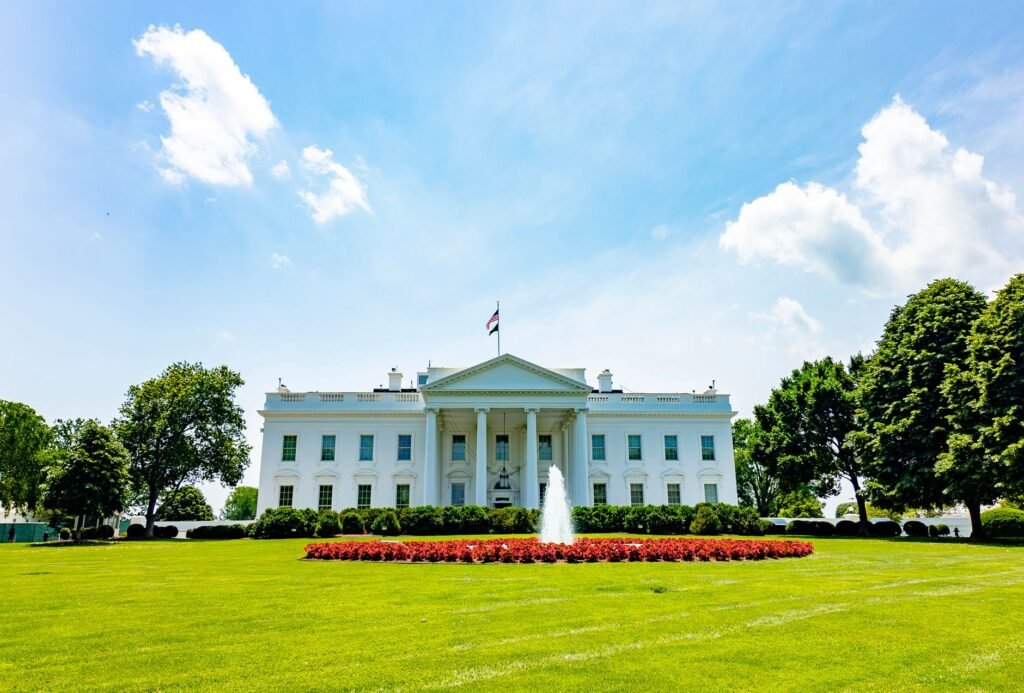
Political dynamics in Trump's second term are reshaping family office investment strategies as wealth strategies adapt.
Protected by reCAPTCHA — the Google Privacy Policy and Terms of Service apply.
Join the discussion
Comments are open to signed-in members. Sign in to add yours, or apply to join the network.
Sign in Apply for FON+