The Evolving Landscape of Political Influence on Family Offices
Political influence is reshaping family office strategies in 2026. Explore current dynamics and implications for investment choices.

As political dynamics reshape the global landscape, family offices face new challenges and opportunities. Understanding these changes is critical for effective capital allocation.
In 2026, the political environment is increasingly characterized by volatility and uncertainty. Family offices are adapting their strategies to navigate this landscape, recognizing that political decisions can significantly impact investment outcomes. Recent developments, such as the growing influence of wealth in politics, have led to a reevaluation of how family offices engage with governmental entities.
For instance, the second term of Donald Trump has seen financial gain emerge as a defining feature of political activity. This shift raises questions about the ethical implications of wealth in politics and how family offices can position themselves in this arena. Many family offices are grappling with the need to balance investment interests with ethical considerations, particularly as they engage in political contributions or advocacy.
Family offices are also facing a wave of regulatory scrutiny, prompting a reevaluation of compliance practices. The evolving regulatory landscape, including potential changes in tax policies and reporting requirements, necessitates proactive measures to ensure compliance and mitigate risks. Navigating these new regulations is a priority for many family offices, as they seek to avoid potential pitfalls that could arise from non-compliance.
Furthermore, the pressure to disclose more information about political donations and lobbying efforts is increasing. Family offices must now consider the reputational risks associated with their political activities. Transparency is becoming a key factor in maintaining trust among stakeholders, including family members and external partners.
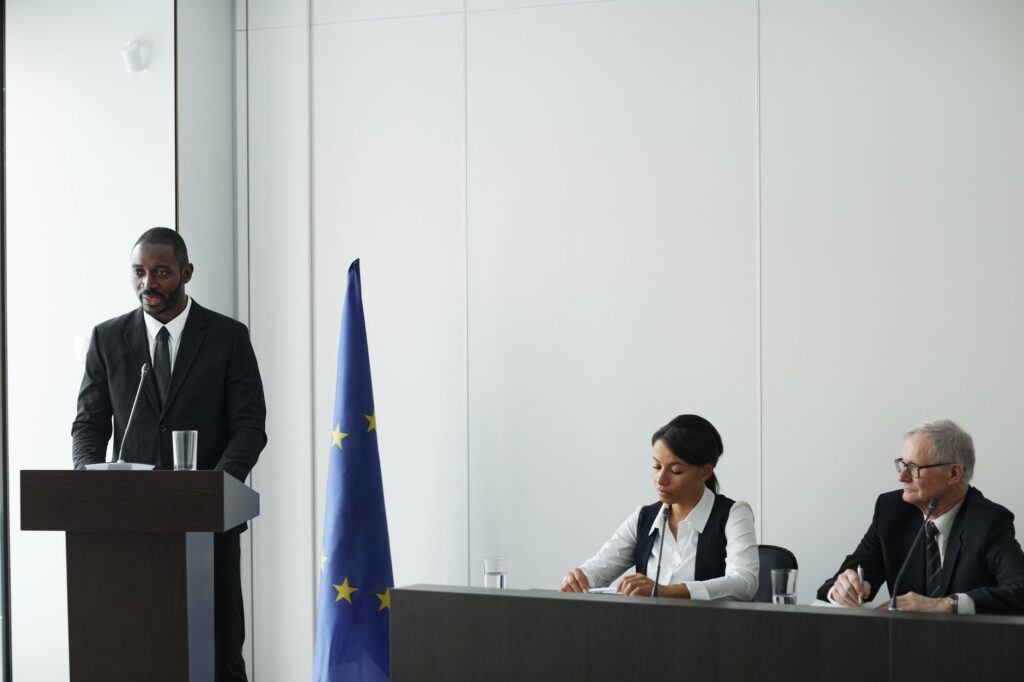
Philanthropy is increasingly viewed as a tool for political engagement among family offices. As family offices navigate the complexities of political influence, many are leveraging their philanthropic initiatives to shape policy discussions and advocate for causes aligned with their values. This approach allows family offices to create a positive impact while simultaneously enhancing their influence in political matters. Understanding the impact of political dynamics is essential for these initiatives.
Next-generation family members are often at the forefront of these philanthropic efforts, pushing for greater alignment between personal values and investment strategies. Engaging the next generation in philanthropy not only fosters a sense of responsibility but also cultivates future leaders who can navigate the political landscape effectively.
The political landscape is not only shifting domestically; family offices are also facing challenges on a global scale. As geopolitical tensions rise, particularly in regions like the Middle East, family offices are reassessing their international exposure. Recent reporting indicates that some family offices are eyeing operations in Hong Kong as a strategic move to diversify their portfolios away from politically unstable regions.
Family offices must consider how international political dynamics impact their investments. For example, conflicts in key regions can disrupt supply chains and affect market stability. Understanding these global trends is essential for effective risk management and investment strategies. The implications of regulatory changes in this context are significant.

To effectively navigate the evolving political landscape, family offices are adopting several strategies:
These strategies are designed to help family offices remain agile in the face of rapid political changes and capitalize on emerging opportunities. By fostering a proactive approach, family offices can better position themselves to navigate uncertainty and mitigate risks.
As family offices adapt to these new realities, the interplay between politics, investment strategies, and philanthropy will continue to evolve. The sharpest offices are already implementing forward-thinking strategies, embracing a holistic view of their influence on political dynamics. How they balance these interests will be crucial in shaping their long-term success in a complex world.

Political influence is reshaping family office strategies in 2026. Explore current dynamics and implications for investment choices.
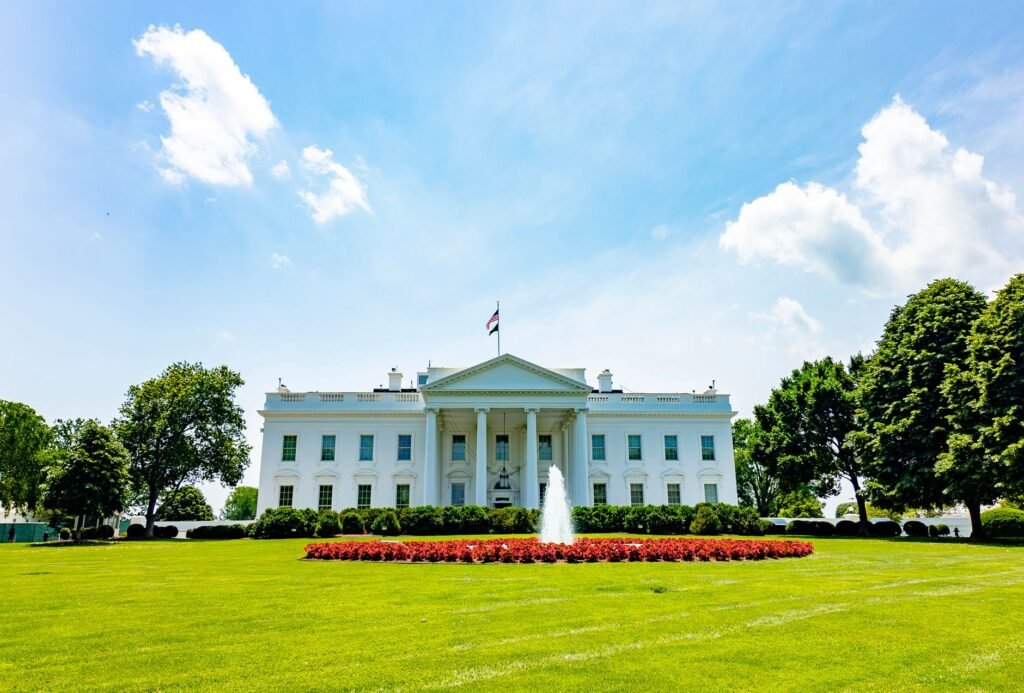
Political dynamics in Trump's second term are reshaping family office investment strategies as wealth strategies adapt.

Political influence is reshaping family office investment strategies in 2026. Here's what you need to know.
Protected by reCAPTCHA — the Google Privacy Policy and Terms of Service apply.
Join the discussion
Comments are open to signed-in members. Sign in to add yours, or apply to join the network.
Sign in Apply for FON+