Political Risks Facing Family Offices in 2026
Political risks significantly shape family office strategies in 2026.

Political risk management is becoming essential for family offices as global dynamics shift. With rising geopolitical tensions and regulatory changes, understanding these risks is crucial for preserving wealth.
As we navigate through 2026, family offices are increasingly recognizing that political risk can significantly impact investment strategies and asset preservation. Factors such as international sanctions, economic volatility, and regulatory changes are at the forefront of these concerns. Recent reporting indicates that many family offices are adopting a more proactive approach to these risks, adapting their strategies accordingly. For more insights, see the article on the political landscape and its implications for family offices.
Several trends are influencing how family offices manage political risk today:
For instance, as reported, some family offices are now considering political risk insurance to safeguard their investments against sudden changes in political climates. This has become particularly relevant as the investment landscape shifts, with family offices diversifying their portfolios to mitigate risks associated with political events.

To address these complexities, family offices can implement several strategies:
These strategies not only help in navigating the current political landscape but also position family offices to act swiftly in response to emerging threats.
Several family offices have successfully navigated political risks by applying these strategies. For instance, a recent analysis of family offices operating in volatile regions highlighted the importance of local partnerships. These offices reported improved outcomes by aligning with local businesses and advisors who could provide context on political developments.
Additionally, the Trump family’s business dealings have raised questions about conflicts of interest and ethical considerations in political risk management. Family offices observing these dynamics have begun to implement stricter governance frameworks to avoid potential pitfalls.

As we look ahead, family offices must remain vigilant. The geopolitical landscape is expected to continue shifting, influenced by factors such as climate change, technological advancements, and international relations. Family offices that proactively adapt to these changes will likely emerge more resilient.
Moreover, the increasing fragmentation of wealth and its impact on investment strategies cannot be ignored. Family offices must consider how their political risk management approaches align with broader wealth management goals.
Political risk management involves identifying, assessing, and mitigating risks associated with political changes that could impact investments.
Family offices can stay informed by engaging with local advisors, subscribing to relevant news outlets, and participating in industry networks.
Political risk insurance protects investments from losses due to political events, providing a financial safety net for family offices.
Geopolitical tensions can lead to market volatility, regulatory changes, and increased risk, influencing investment strategies and asset allocation.

Political risks significantly shape family office strategies in 2026.

Political influence is reshaping family office strategies in 2026. Explore current dynamics and implications for investment choices.
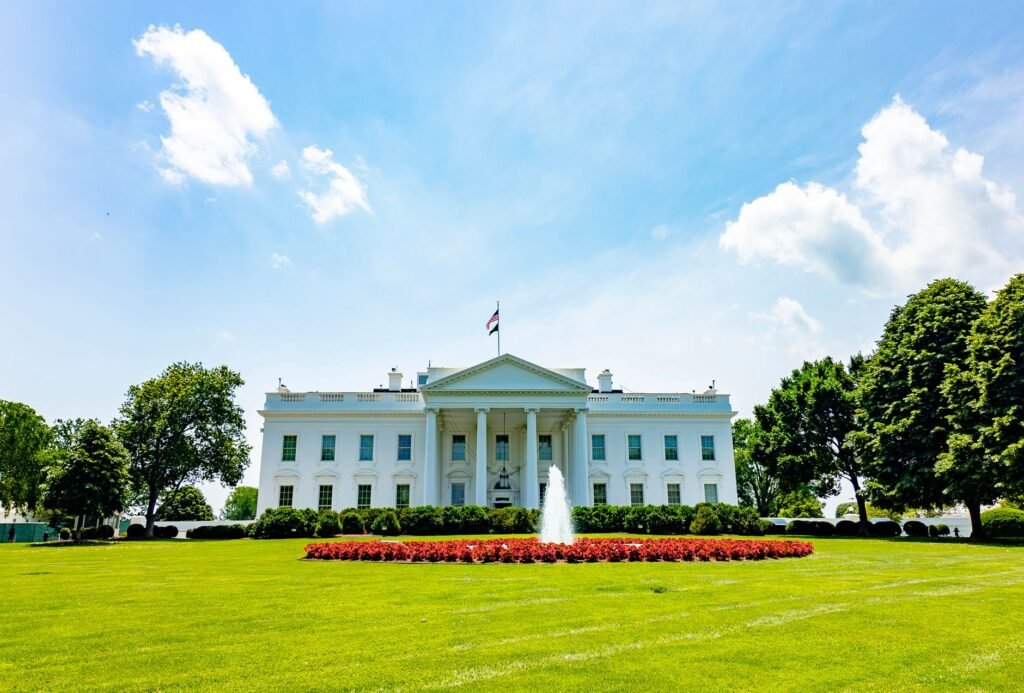
Political dynamics in Trump's second term are reshaping family office investment strategies as wealth strategies adapt.
Protected by reCAPTCHA — the Google Privacy Policy and Terms of Service apply.
Join the discussion
Comments are open to signed-in members. Sign in to add yours, or apply to join the network.
Sign in Apply for FON+