Trump’s Second Term: Implications for Family Office Investments
Political dynamics in Trump's second term are reshaping family office investment strategies as wealth strategies adapt.

Political influence is increasingly reshaping the strategies of family offices as they navigate a complex landscape marked by shifting regulations and economic pressures. Understanding these dynamics is crucial for family office principals seeking to optimize their investment strategies.
Family offices are adapting to a world where political factors play a significant role in investment decisions. This evolution is particularly evident in the wake of the Trump administration’s policies, which have dramatically influenced market trends and investment landscapes. As reported recently, financial gain has become a defining feature of political engagement, creating both opportunities and risks for family offices. For more insights on this topic, see how Trump’s second term could impact family office investments.
In conversations across the FON membership, many principals express a keen awareness of how political decisions can directly affect their portfolios. For instance, tax reforms and regulatory changes can alter investment viability overnight, compelling family offices to stay vigilant and responsive.
As family offices adapt to this evolving political landscape, several trends are emerging:
Andrew Schneider, Founder & CEO of Family Office Networks, emphasizes the importance of peer networks in navigating these complexities. He states, “The single biggest advantage a family office can have isn’t capital — it’s a trusted circle of peers who share what is actually working.” This sentiment resonates with many family offices, which are increasingly recognizing that collaborative relationships can provide insights into political trends and investment strategies.
For example, recent reporting highlights how the Trump family’s business dealings could open doors for future presidents to profit from office, demonstrating the intricate relationship between politics and business. Family offices are leveraging these insights to align their investments with political trends, ensuring they are positioned to capitalize on changes in the regulatory environment. This is particularly relevant as political influence drives family office investment strategies.

The regulatory landscape is in constant flux, and family offices must be agile in their approach. With new policies emerging regularly, including tax reforms and industry-specific regulations, having a robust governance framework is essential. Many family offices are reviewing their compliance strategies to ensure they can adapt quickly.
This proactive stance not only mitigates risks but also positions family offices as responsible investors in the eyes of regulators and the public. By emphasizing transparency and ethical investment practices, family offices can enhance their reputations, leading to better relationship-building opportunities with key stakeholders.
In this politically charged environment, investment strategies are evolving. Family offices are diversifying their portfolios to include sectors that are not only economically viable but also politically favorable. This includes investments in green technologies, healthcare innovations, and infrastructure projects that align with governmental agendas.
Moreover, family offices are increasingly investing in emerging markets, particularly in regions where political stability is on the rise. Reports indicate that wealth is flowing into markets like Hong Kong as European families seek new opportunities amid changing geopolitical landscapes. Family offices are keenly aware that success often hinges on understanding local political dynamics.

Looking ahead, family offices must remain vigilant as political risks continue to evolve. The ability to navigate these risks effectively will be a defining characteristic of successful family offices in the future. As the political landscape shifts, family offices that prioritize adaptability and strategic political engagement will likely outperform their peers.
In this context, family offices are also encouraged to engage in proactive dialogue with policymakers, shaping future regulations to their advantage. As Andrew Schneider aptly puts it, “Wealth does not come with an instruction manual. The closest thing is a community of principals who have already navigated what you are facing.” This perspective reinforces the need for collaboration and shared insights among family office leaders.
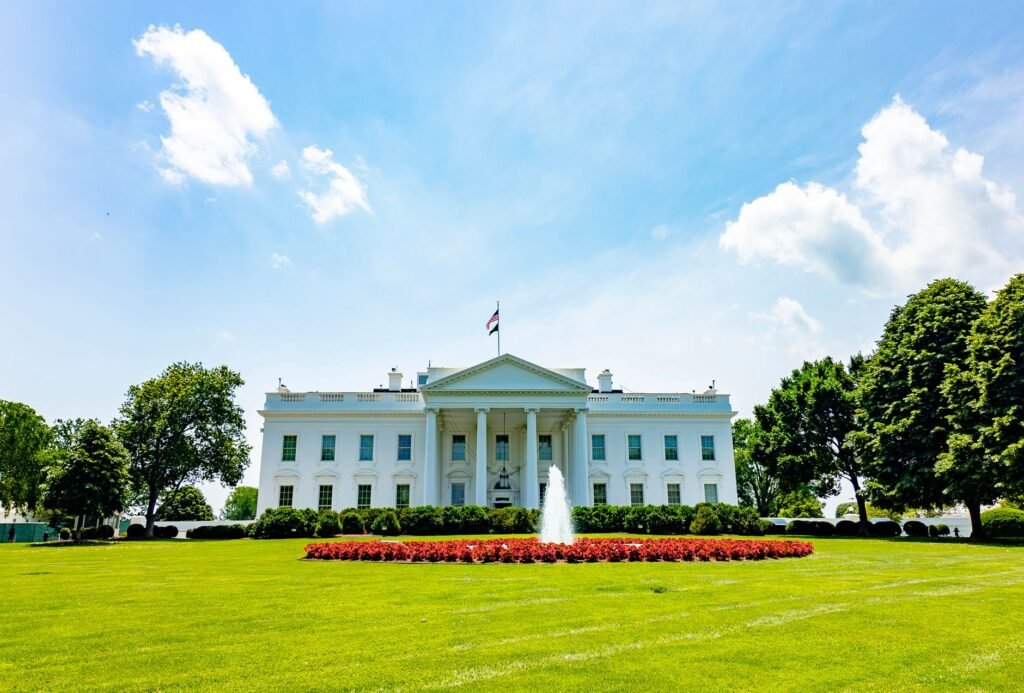
Political dynamics in Trump's second term are reshaping family office investment strategies as wealth strategies adapt.

Political influence is reshaping family office investment strategies in 2026. Here's what you need to know.

Explore how political influence is reshaping family office strategies in 2026. Understanding the dynamics is vital for success.
Protected by reCAPTCHA — the Google Privacy Policy and Terms of Service apply.
Join the discussion
Comments are open to signed-in members. Sign in to add yours, or apply to join the network.
Sign in Apply for FON+