Political Risks Facing Family Offices in 2026
Political risks significantly shape family office strategies in 2026.

Political influence is becoming a cornerstone of family office strategy in 2026. As the political landscape evolves, family offices must adapt their investment and operational strategies to navigate these changes.
Political influence is not a new concept for family offices, but its role has intensified in recent years. The intersection between wealth and politics has led to an environment where family offices are increasingly drawn into the political fray. This shift has implications for investment strategies, governance structures, and philanthropic activities. For a deeper understanding of how political influence shapes family office decisions, see how political influence shapes family office decisions in 2026.
As family offices engage more with political processes, they find that their reputations and long-term viability are closely tied to their political affiliations and actions. This is particularly evident in the context of recent events, such as the ongoing discussions around presidential ethics, where the potential for political influence can directly impact business opportunities.
Family offices are focusing their political engagement efforts in several key areas:
This political engagement is not without risk. Family offices must carefully navigate their involvement to avoid backlash or reputational damage. As Andrew Schneider, Founder & CEO of Family Office Networks, notes,
This perspective underscores the importance of building relationships within political landscapes.“The single biggest advantage a family office can have isn’t capital — it’s a trusted circle of peers who share what is actually working.”
— Andrew Schneider, Founder & CEO, Family Office Networks
Political risks can manifest in various forms, from regulatory changes to shifts in public sentiment. Family offices must be proactive in identifying and mitigating these risks. Key strategies include:
As we look ahead, the role of political influence in family offices is set to expand further. The increasing intertwining of wealth and politics means that family offices will need to develop sophisticated strategies to navigate this complex landscape. This includes not only understanding the implications of political decisions but also actively participating in the political process. For insights on the evolving role of family offices in political engagement, refer to the evolving role of family offices in political engagement.
Recent developments, such as the easing of family office tax rules in Singapore, reflect how political decisions can directly impact family office operations. As reported by The Business Times, these changes are drawing international family offices to Singapore, showcasing how political environments can create new opportunities.

To thrive in this evolving landscape, family offices must be more than passive observers; they must become active participants in the political dialogue. Engaging with policymakers, understanding regulatory frameworks, and building coalitions with other family offices will be essential for those looking to secure their interests in an increasingly interconnected world.

Political risks significantly shape family office strategies in 2026.

Political influence is reshaping family office strategies in 2026. Explore current dynamics and implications for investment choices.
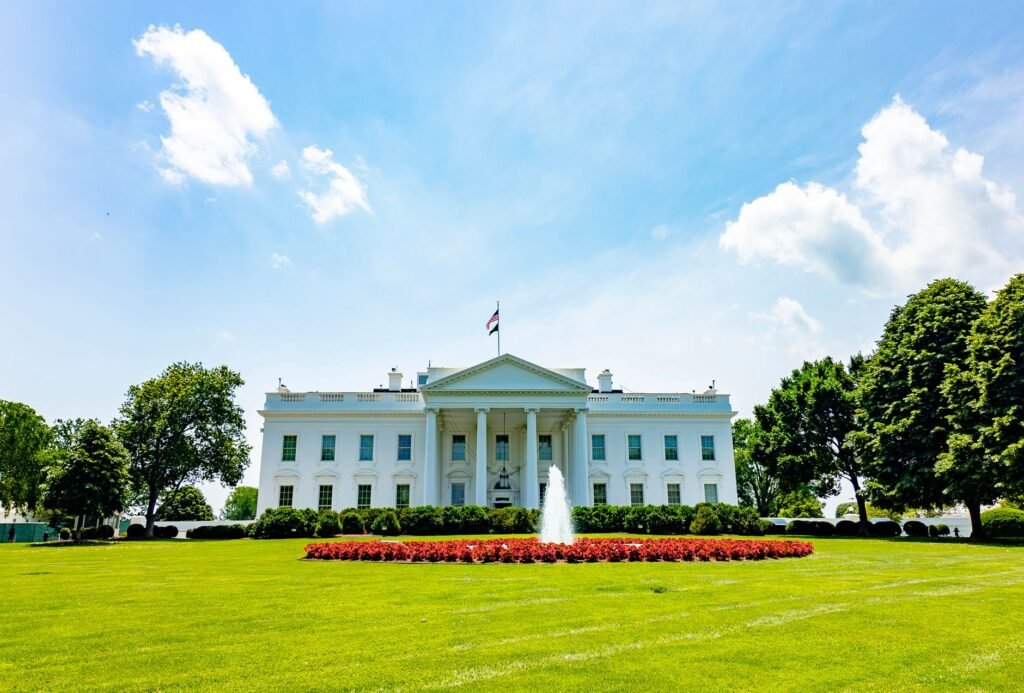
Political dynamics in Trump's second term are reshaping family office investment strategies as wealth strategies adapt.
Protected by reCAPTCHA — the Google Privacy Policy and Terms of Service apply.
Join the discussion
Comments are open to signed-in members. Sign in to add yours, or apply to join the network.
Sign in Apply for FON+