Political Risks Facing Family Offices in 2026
Political risks significantly shape family office strategies in 2026.

Family offices are navigating a complex political landscape as new regulations and shifting power dynamics emerge in 2026. The intersection of wealth and politics is reshaping investment strategies and operational frameworks for ultra-high-net-worth families.
In 2026, family offices are increasingly influenced by a tumultuous political environment characterized by rapid changes in legislation, taxation, and international relations. Recent reporting highlights how calls for regulation have intensified, particularly around transparency and accountability in wealth management. The implications of these shifts are profound, impacting not only investment strategies but also governance structures within family offices.
Several key political developments are shaping the landscape for family offices:

As family offices respond to these political dynamics, investment strategies are evolving. According to insights from FON members, many are prioritizing sectors that align with emerging regulatory frameworks and societal needs.
Family offices must also consider how political affiliations and lobbying efforts can influence investment outcomes. For instance, recent reports on Trump’s potential return to office highlight how political alignment can create favorable conditions for certain investments.
Family offices need to be proactive in adapting their compliance frameworks to meet new regulatory requirements. This includes enhancing transparency in reporting and governance structures. Some strategies include:
As political polarization increases, the ability to build and maintain relationships becomes paramount. Family offices that can navigate these complexities often find themselves at an advantage. Andrew Schneider, Founder of Family Office Networks, emphasizes that “the best opportunities in this world are never advertised — they move through relationships.” Establishing connections with key political figures and industry regulators can open doors to unique investment opportunities and insights.
Moreover, family offices should consider collaborative approaches with other wealth holders to amplify their influence. This could involve:
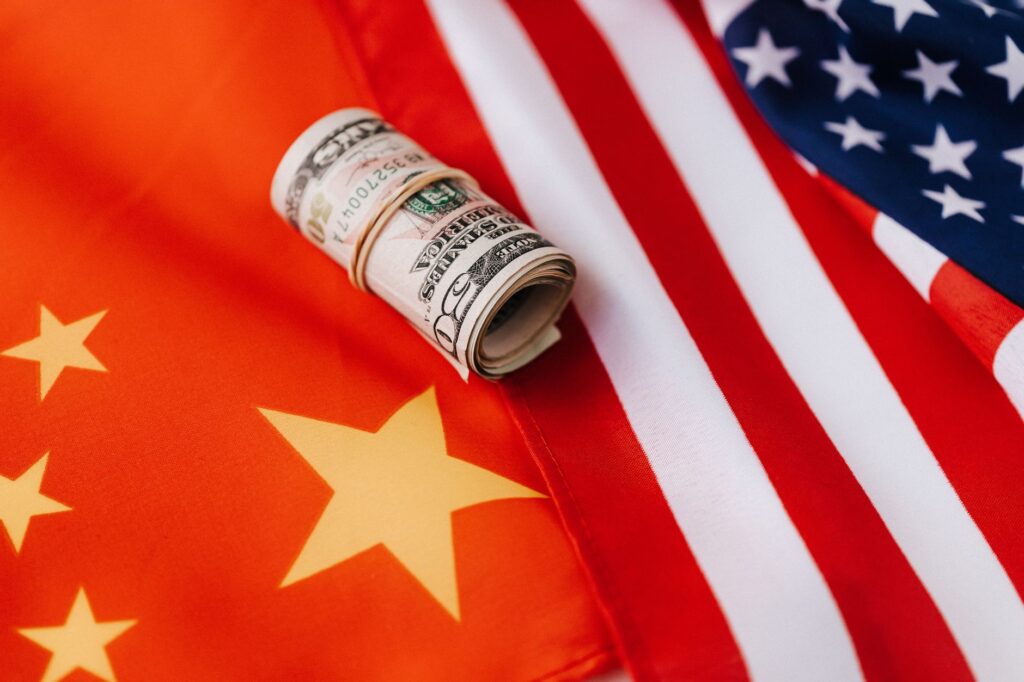
The next few years will likely bring further changes to the political landscape, influencing how family offices operate. As they grapple with these realities, the need for agility and foresight has never been more critical.
As reported recently, family offices are increasingly looking to Hong Kong as a base for operations amid shifting global dynamics. This pivot reflects a strategic response to both regulatory changes and market opportunities in Asia. Understanding these shifts will be vital for family offices aiming to stay ahead of the curve.
Family offices must also prepare for unanticipated political outcomes that could disrupt their strategies. Key considerations include:
Family offices are dealing with increased regulatory scrutiny, changing tax policies, and the implications of international relations on investments.
They can establish clear governance policies, invest in compliance resources, and engage with regulatory bodies to stay informed.
Building relationships can lead to unique investment opportunities and help navigate regulatory changes effectively.
Many family offices are focusing on impact investing and sectors like renewable energy and healthcare that align with emerging regulations.

Political risks significantly shape family office strategies in 2026.

Political influence is reshaping family office strategies in 2026. Explore current dynamics and implications for investment choices.
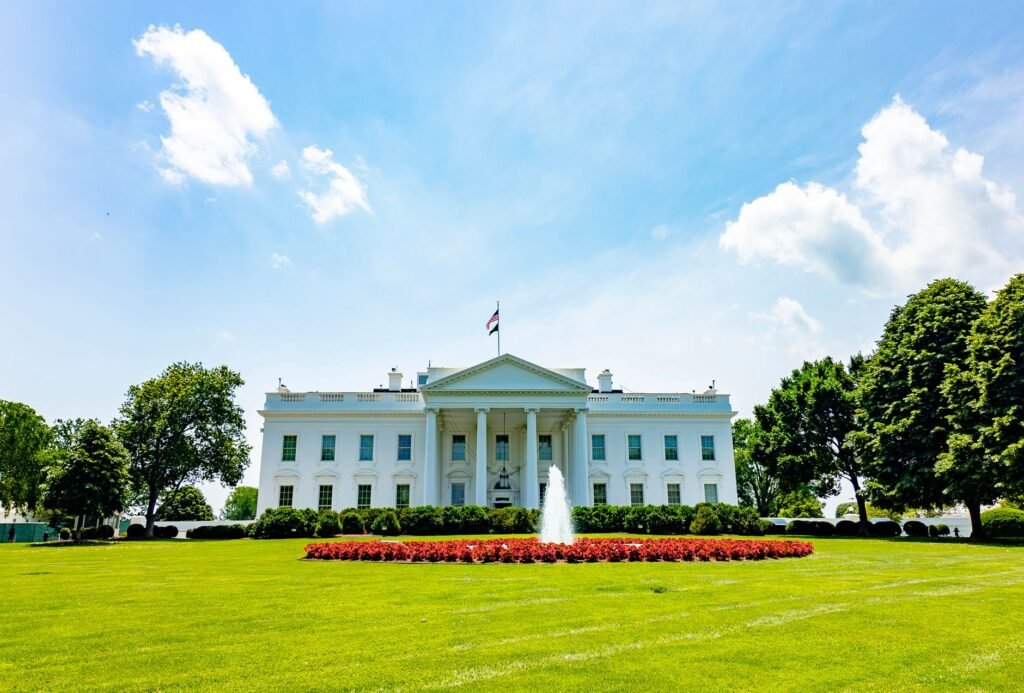
Political dynamics in Trump's second term are reshaping family office investment strategies as wealth strategies adapt.
Protected by reCAPTCHA — the Google Privacy Policy and Terms of Service apply.
Join the discussion
Comments are open to signed-in members. Sign in to add yours, or apply to join the network.
Sign in Apply for FON+