Political Risks Facing Family Offices in 2026
Political risks significantly shape family office strategies in 2026.

As political dynamics shift globally, family offices are increasingly becoming key players in shaping policy and investment landscapes. Their unique position enables them to engage in political discourse while safeguarding their interests.
In recent years, the interplay between wealth and politics has intensified, with family offices at the forefront of this engagement. Family offices, structured to manage wealth intergenerationally, are now leveraging their influence to navigate and shape the political landscape more effectively.
Many family offices view political engagement not merely as a strategy for safeguarding their wealth but as a responsibility to influence society positively. This perspective is driven by a growing recognition that political decisions can significantly impact their investments and philanthropic initiatives.
As we enter 2026, family offices must navigate a myriad of political risks that could affect their operations and investment strategies. These risks include:
Recent reporting from political risks that family offices must navigate in 2026 highlights how family offices are bracing their portfolios against potential conflicts, particularly in the Middle East, while maintaining a long-term strategic focus.

Family offices can employ several strategies to enhance their political engagement while mitigating risks. These strategies include:
Technology plays a crucial role in how family offices engage politically. The rapid evolution of communication platforms has enabled family offices to mobilize quickly, disseminate information, and coordinate efforts effectively.
For instance, family offices are increasingly using data analytics to gauge public sentiment and tailor their political strategies accordingly. This data-driven approach allows them to identify opportunities for engagement and measure the potential impact of their political activities.
Moreover, advancements in artificial intelligence (AI) are facilitating deeper insights into political trends, enabling family offices to make informed decisions about their political investments. Such tools can predict outcomes and assess the risk associated with various political initiatives.
As political landscapes continue to evolve, family offices will need to adapt their strategies to remain impactful. This adaptation may involve:
Andrew Schneider, Founder & CEO of Family Office Networks, emphasizes, “The single biggest advantage a family office can have isn’t capital — it’s a trusted circle of peers who share what is actually working.” This sentiment underscores the importance of community in navigating the complexities of political engagement.
Family offices face risks such as regulatory changes, tax policy uncertainty, and geopolitical tensions that could impact their investments. For more on this, see political risks that family offices must navigate in 2026.
Effective strategies include building relationships with policymakers, engaging in philanthropy, and participating in advocacy groups. Additionally, understanding how political influence shapes family office decisions in 2026 can enhance their approach.
Technology enables family offices to analyze data, mobilize resources quickly, and assess political trends to inform their strategies.
Peer collaboration enhances knowledge sharing and can lead to better insights and strategies for political engagement.

Political risks significantly shape family office strategies in 2026.

Political influence is reshaping family office strategies in 2026. Explore current dynamics and implications for investment choices.
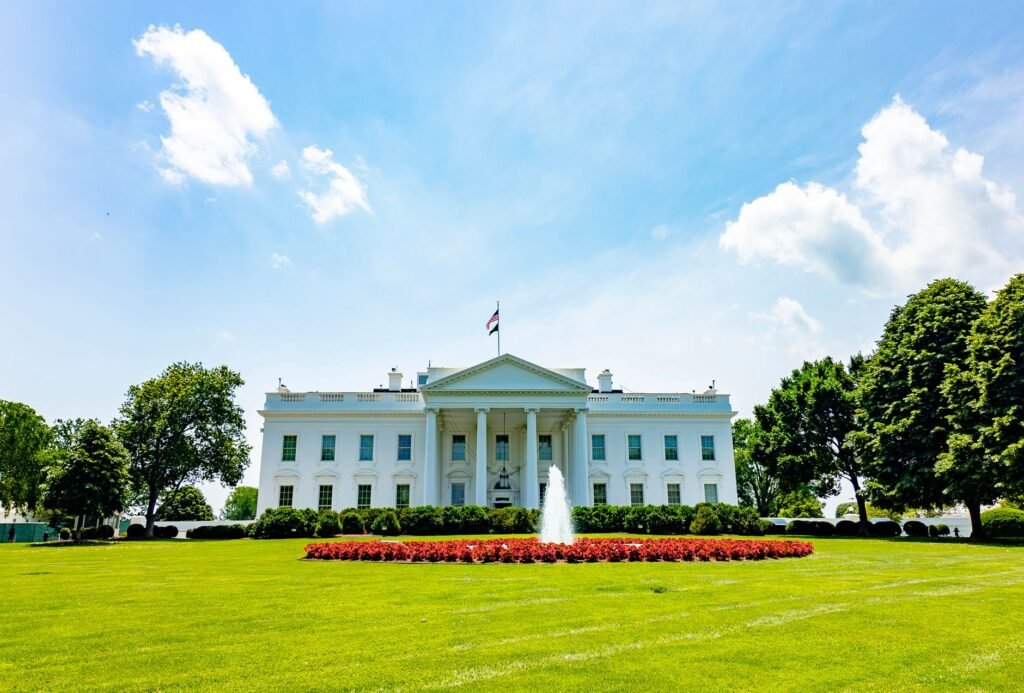
Political dynamics in Trump's second term are reshaping family office investment strategies as wealth strategies adapt.
Protected by reCAPTCHA — the Google Privacy Policy and Terms of Service apply.
Join the discussion
Comments are open to signed-in members. Sign in to add yours, or apply to join the network.
Sign in Apply for FON+